
Land is a limited resource
Land is a limited resource on which there are forests, fields and seas, on land we build our homes and cities, we grow food, we extract ores from it that enable us to progress. By treating that precious resource as a commodity and selling it for the sake of a short-term increase in the budget, the state also deprives the citizens of the opportunity to decide what the purpose of that land will be - whether another multi-story residential building will be built on it or perhaps a park, a school, a health center. In a situation where private interest has so much influence on the processes of planning and excessive construction, transferring more and more public spatial resources, including land, into private ownership will only intensify the existing problems in the development of the city.
By selling public land, we risk increasing social stratification
The quality of life in the city largely depends on access to public services and spaces that we use every day - from kindergartens, schools, health centers, parks, to cultural centers. The tendency to extract the greatest possible economic value from a plot of land leads to the fact that in the competition between different uses, public services always lose to luxury apartments for trade, office space or a shopping center.
If we see a just city as one where these public functions are available to all at a similar distance from the place of residence, then we must also understand and treat land as a key resource in shaping the city in accordance with the needs of people and local communities from the entire city.
By losing green spaces to the detriment of densely built residential blocks, we harm both the environment and ourselves
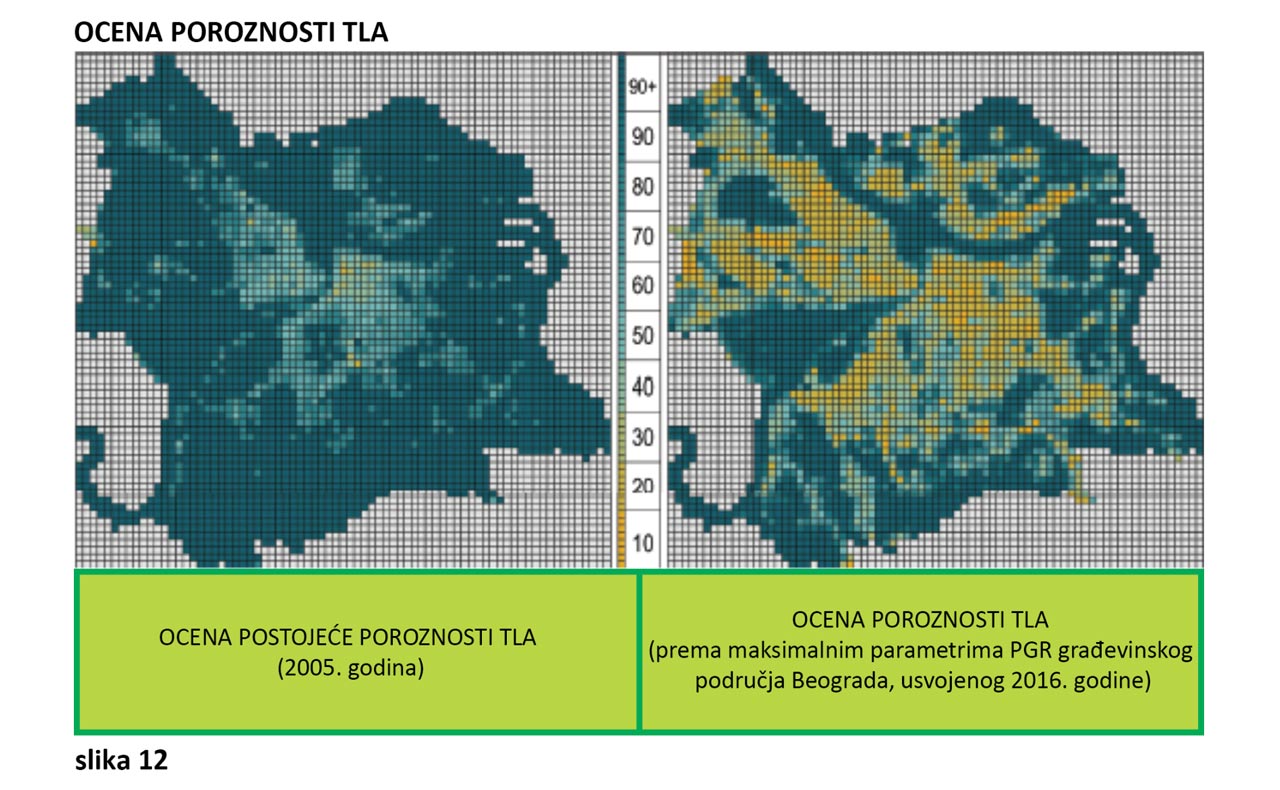
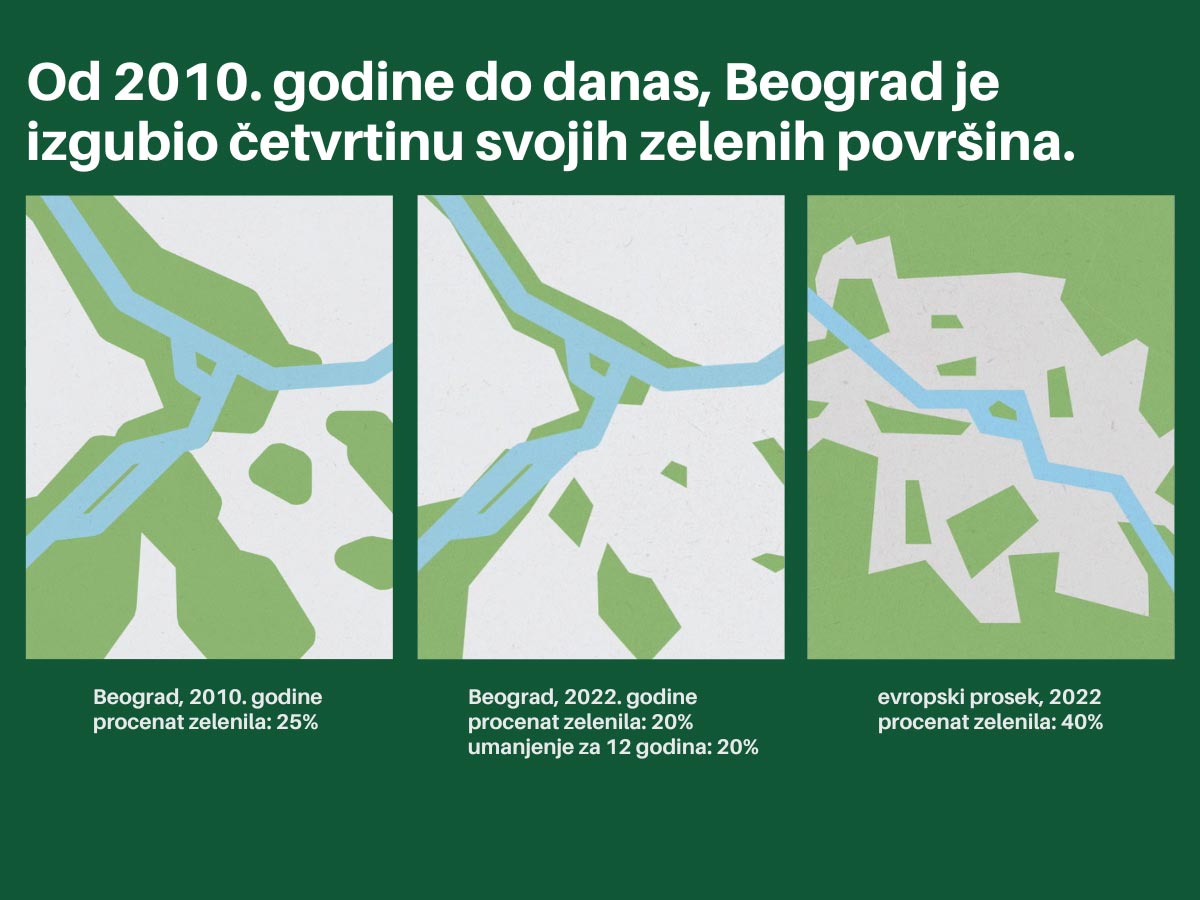
Since 2010, Belgrade has lost a quarter of its green areas, and now it has only 20% of green areas of the city's total area (which is twice less than the European average). If greenery continues to lose the battle with commercial-residential construction, the big question is what kind of city we will live in just a few years from now.
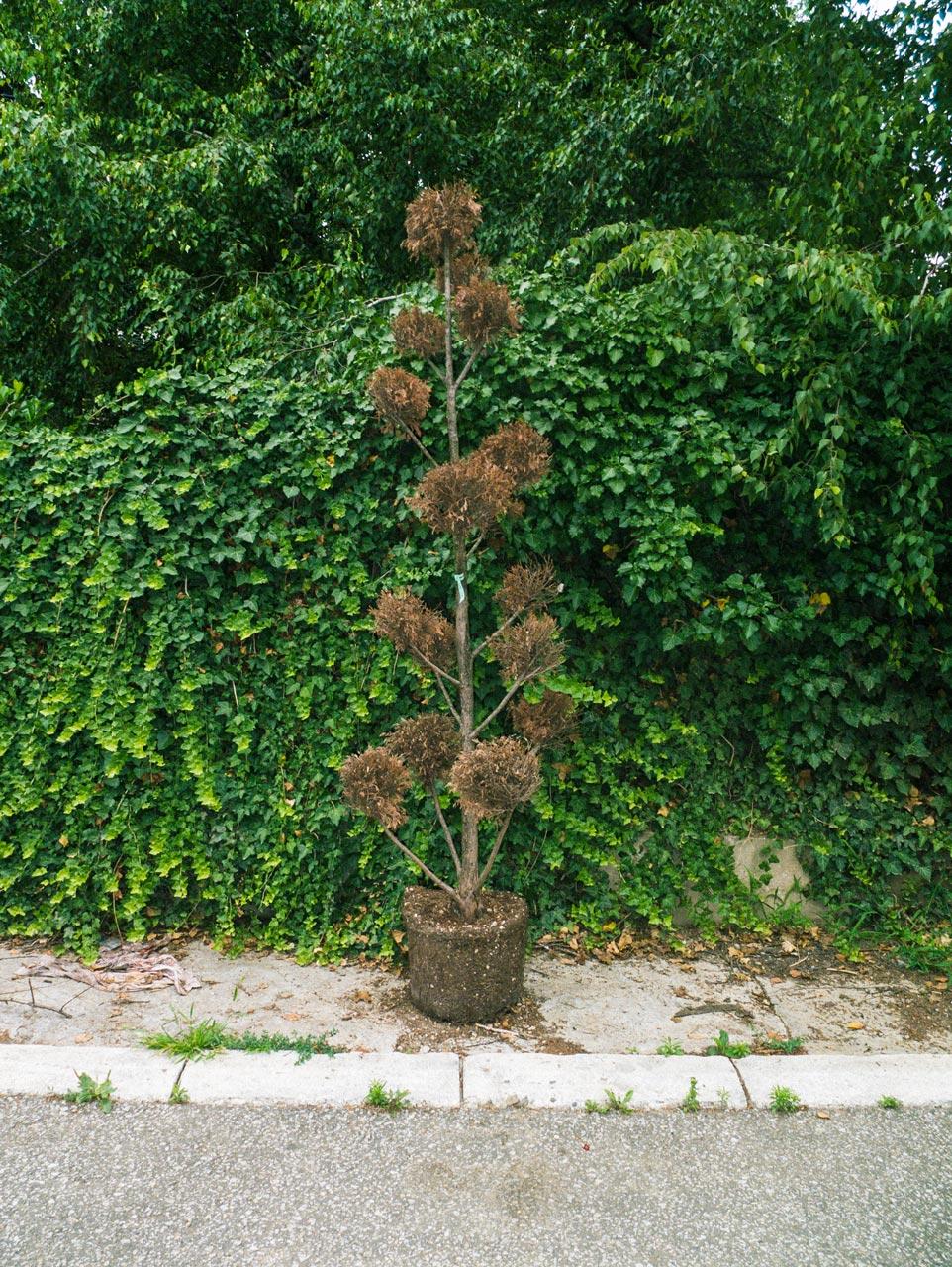
The effects of climate change are already disturbing and we cannot treat the trend of increasing climate disasters casually. A more responsible attitude towards greenery, which does not exist indefinitely, is first on the list of things to which we should devote ourselves. It is extremely important, because it has the function of absorbing precipitation, which reduces the possibility of flooding, but also helps to cool the space and preserve fresh and cleaner air.

How can planning prevent further alienation of public land?
As a strategic plan, the General Urban Plan of Belgrade until 2041 could be clearly determined according to the sustainable management of land in public ownership, as an important element of city planning in the public interest. However, the concept of the plan does quite the opposite. The goals of the plan in the area of land policy and construction land are mostly aimed at improving the conditions for privatization land and support to investors (such as subsidies in the field of construction land, quick and efficient access to locations, etc.). At the same time, according to the text of the plan, the goal of the city is to increase the profit from the sale of land, but at the same time reduce expenses for infrastructure, which, apart from investors, is also of public interest for the development of the entire city.
It is particularly worrying that, under the pressure of the market logic of land treatment, GUP 2041 also proposes the possible relocation of public purposes, such as colleges, kindergartens, fire stations or hospitals, outside the city center because they occupy economically valuable city land.
Therefore, the answer in the GUP Concept to all the risks of the current public land management policy is actually that in the next twenty years we will have even more difficult access to public institutions, less and less green areas, and in addition we will be left without valuable public land and with even less maneuverability space to agree on how we want our city to look and function.
Continuing the trend that the GUP concept confirmed, amendments to the Law on Planning and Construction, it was adopted to abolish the fee for the conversion of the right of use to the right of ownership over the land, which means that many investors will come into possession of valuable public land even without any compensation. This practically means that we don't even sell, but we give away land to investors.
***
In the course of 2022, we issued two publications dealing with public land, Policy for the management of construction land in public ownership written by Srđan Đurović i Urban planning and land management in public ownership, whose analysis was done by Ana Graovac. You can find both by clicking on the links, or in the section Publications.
RELATED TEXTS

Objection to changes in the PGR: let's stop the privatization of Belgrade!
Public inspection of this plan lasts until February 24, 2026. which is also the last day to submit objections. The remark must be...

Urban review of the year - it seems that someone is in a hurry
Someone is in such a hurry that there is no time for public discussions, there are no limits for plans, and the rules apply...

Comment on the draft amendments and additions to the general regulation plan (GRP) of the city of Belgrade
With this remark, we point to a deeply problematic and systemically harmful provision proposed in the framework of...

Amendments to the general regulation plan (GPR) - when urban planning becomes an instrument of space privatization
Amendments to the General Regulation Plan (GRP) of Belgrade represent another step in the long-term...
Digital sessions are the last nail in the coffin of citizens' participation in city planning
The new amendments to the Rulebook enable public sessions to take place electronically - just when they are most...
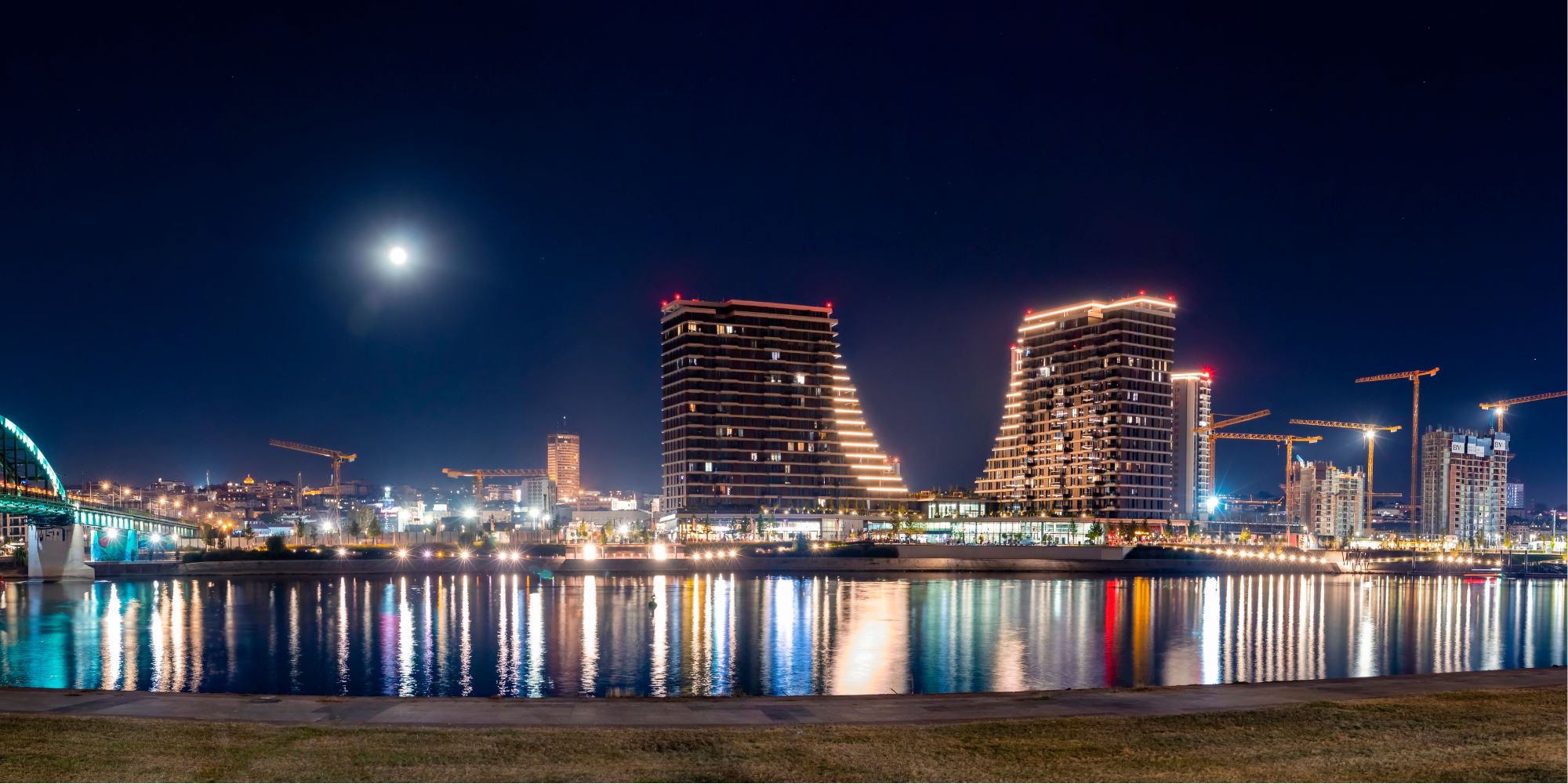
Comment on the expansion plan of Belgrade on the water
This letter does not seek to improve the plan in question in a technical sense, but points to its political...
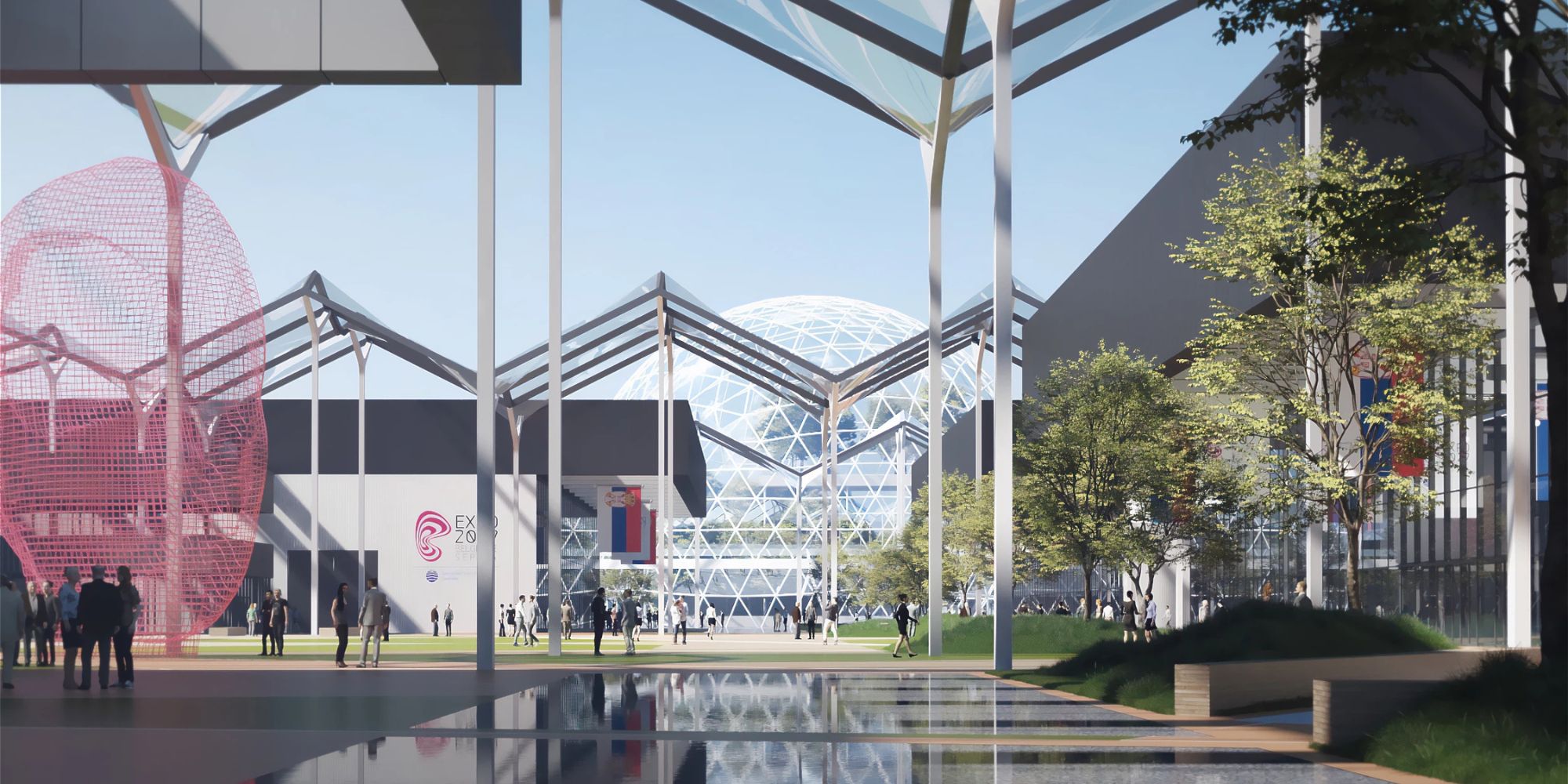
A handbook for avoiding participation: the case of EXPO
This is how the attempt of the Agency for Spatial Planning and Urbanism of the Republic of Serbia to...

Why don't we abolish planning?
Do you remember the first episode of South Park season 15 where Kyle, agreeing to the terms of service without reading…
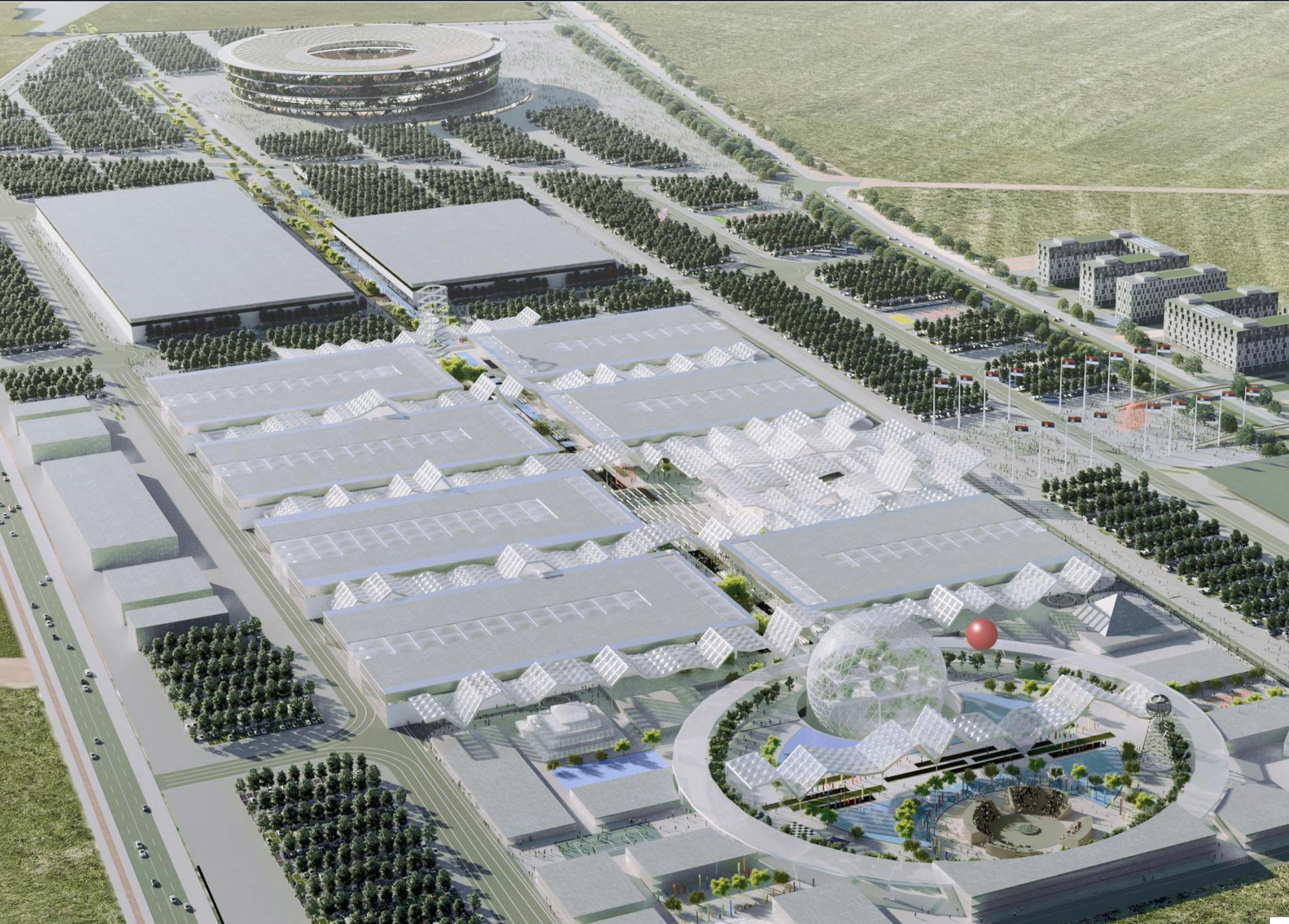
Objections to the EXPO plan - rejecting the plan is the only acceptable solution
PPPPN National Stadium 15th phase, which includes...
There is no going back, only forward - the only thing standing in the way is the public interest (EXPO 2027)
Having lived for 30 years in the neoliberal development of the city, we should have already gotten used to the constant deregulation...
A year marked by urban greed
Another year is behind us in which, unfortunately, the lives and health of citizens were collateral damage...
Sign for green
When we remember our childhood, we first remember the fun and games through which we learned about ourselves, about the community and...
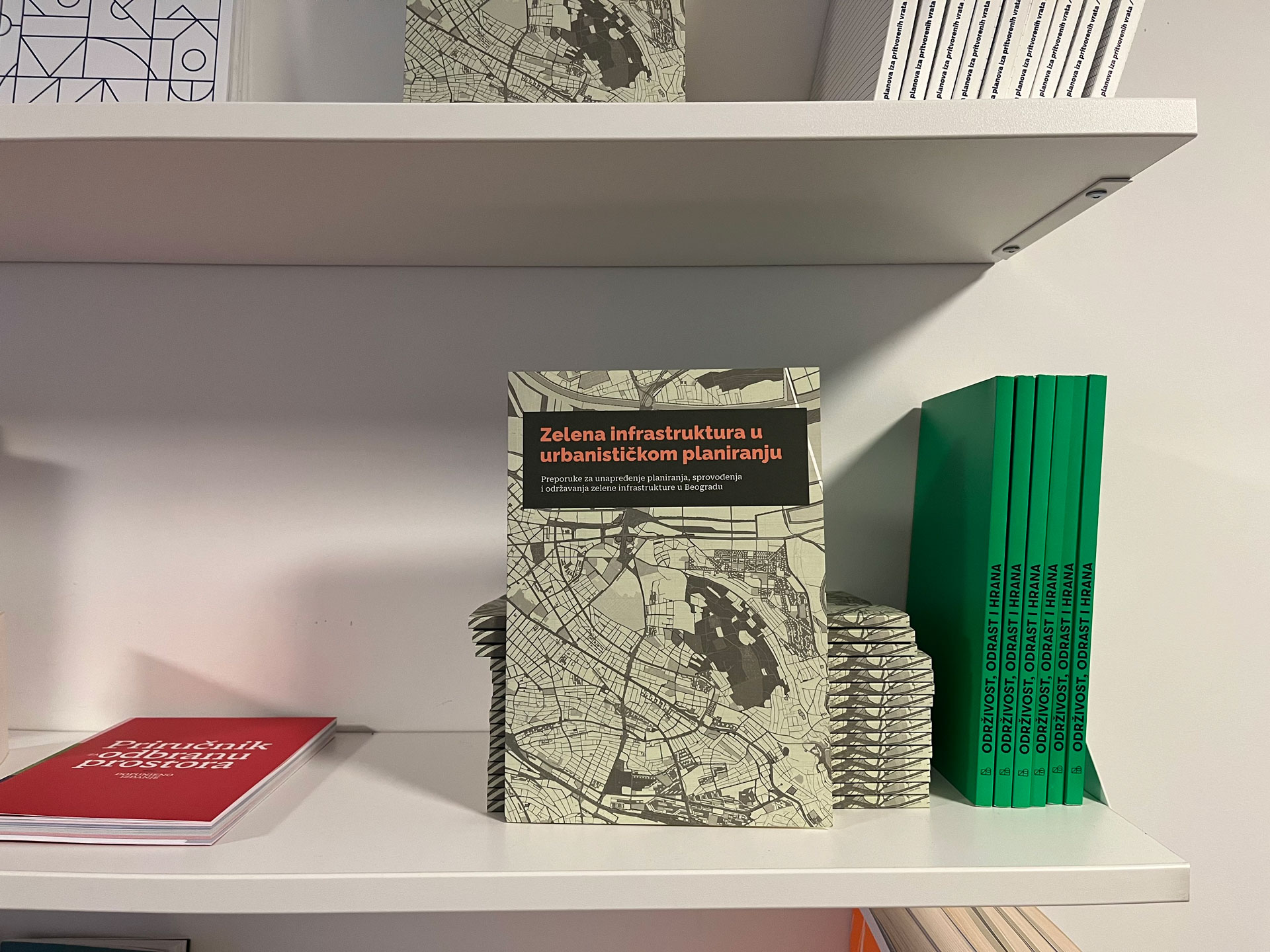
The Ministry of Spatial Collective received the second award at the Urbanism Salon
The Ministry of Space collective today won the second prize in the publication category at this...
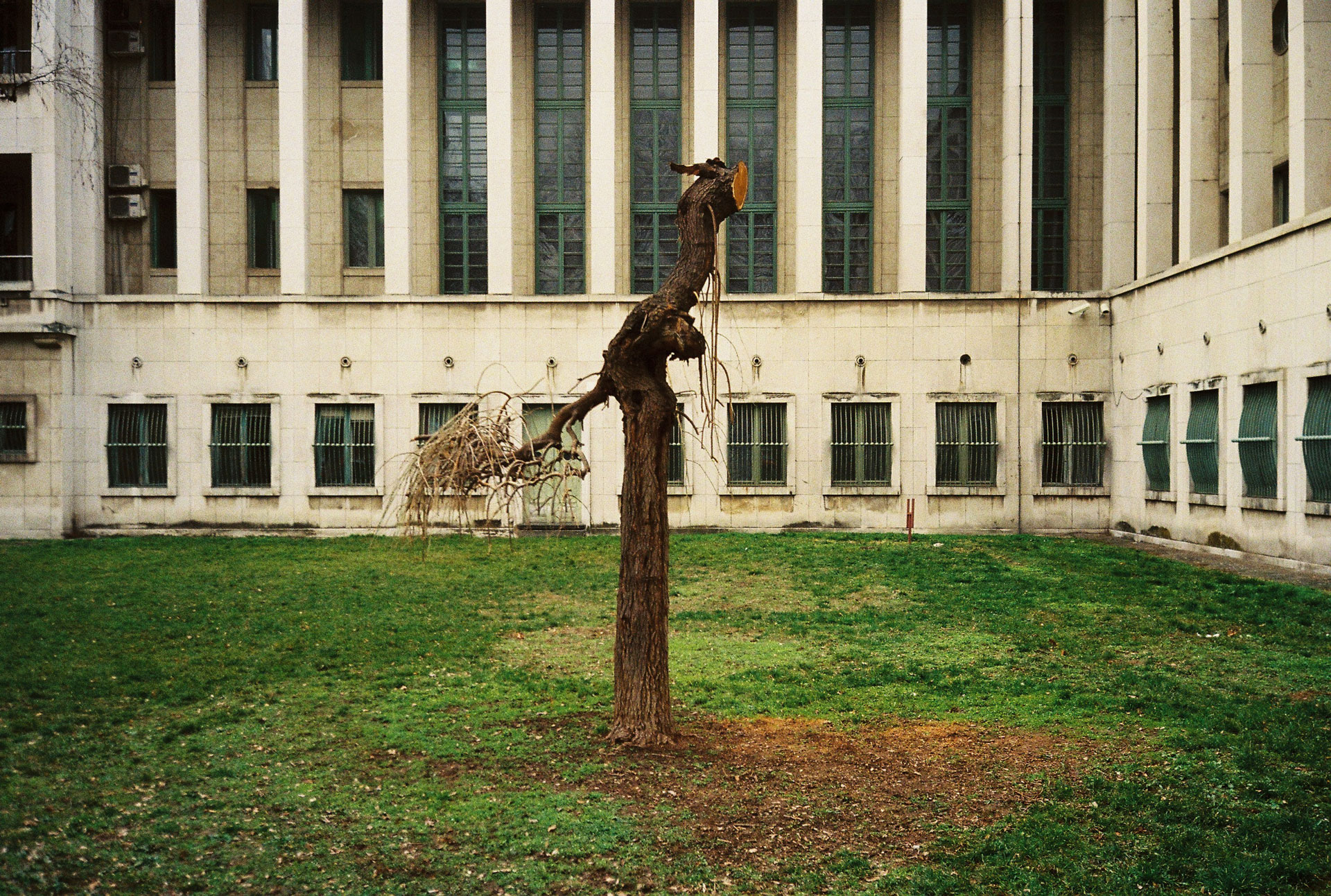
How is greenery treated in the plans that were previewed during the summer?
We're all finally breathing a sigh of relief because the worst of the summer heat is behind us—and we know, it's not the prettiest #tbt. Still…
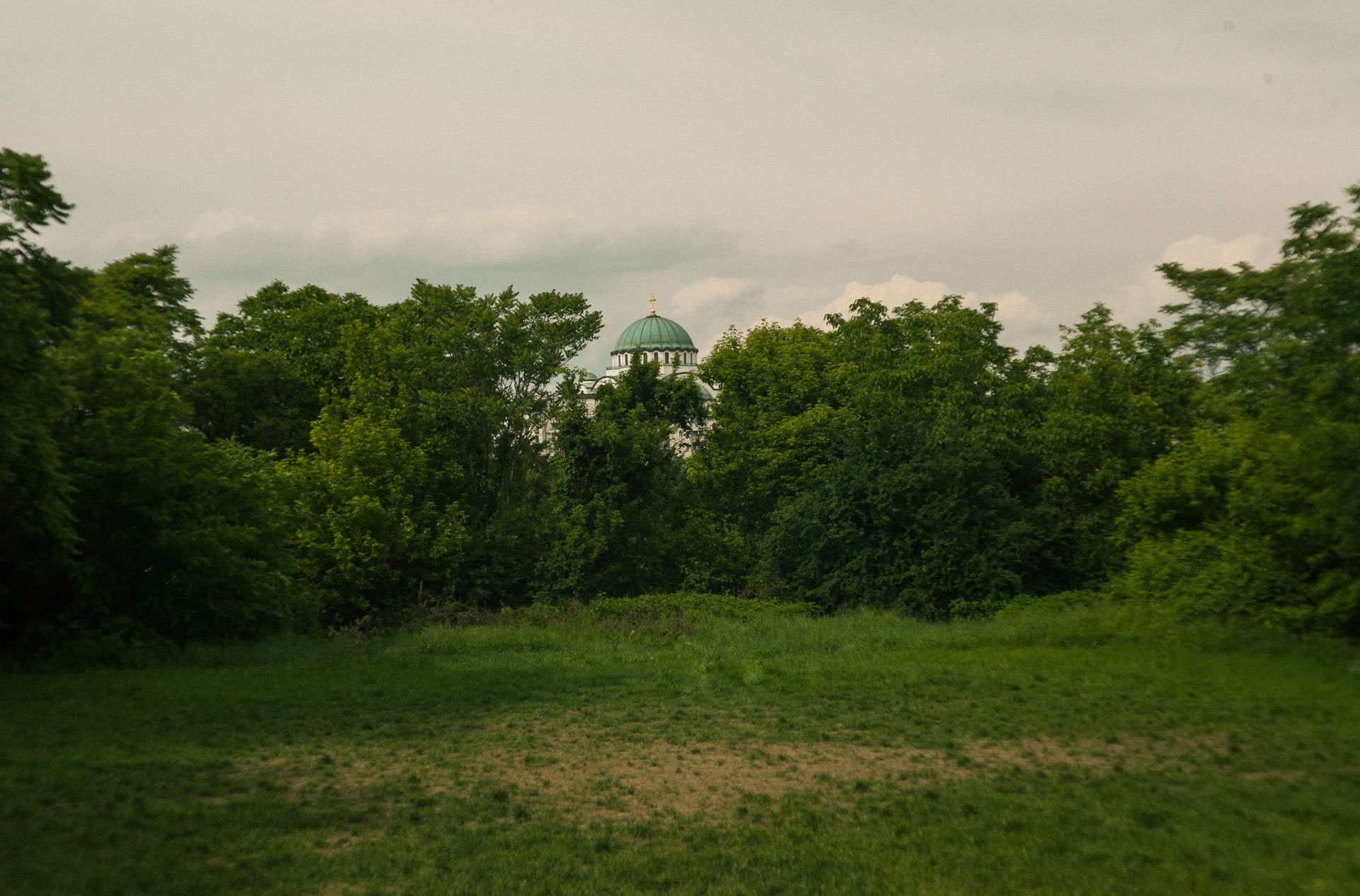
How many heat waves can we survive? It depends on the greenery we will have.
The two heat waves that we have experienced this summer, we can safely say, are the most intense in recent years...
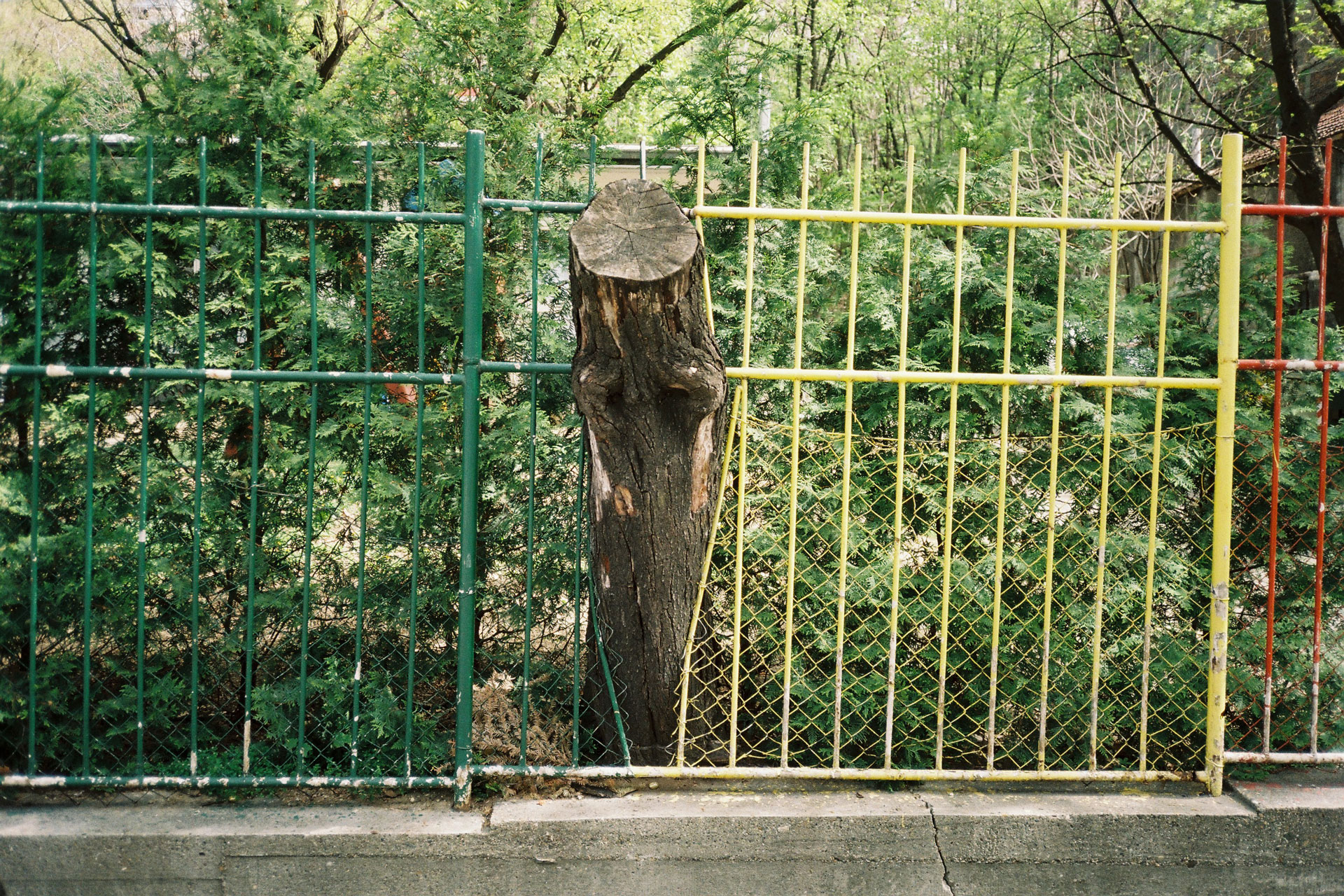
There are only traces of greenery in the plans, and increasingly hot summers await us
The practice of publishing early and public insights into urban plans during the summer, during extreme heat and...
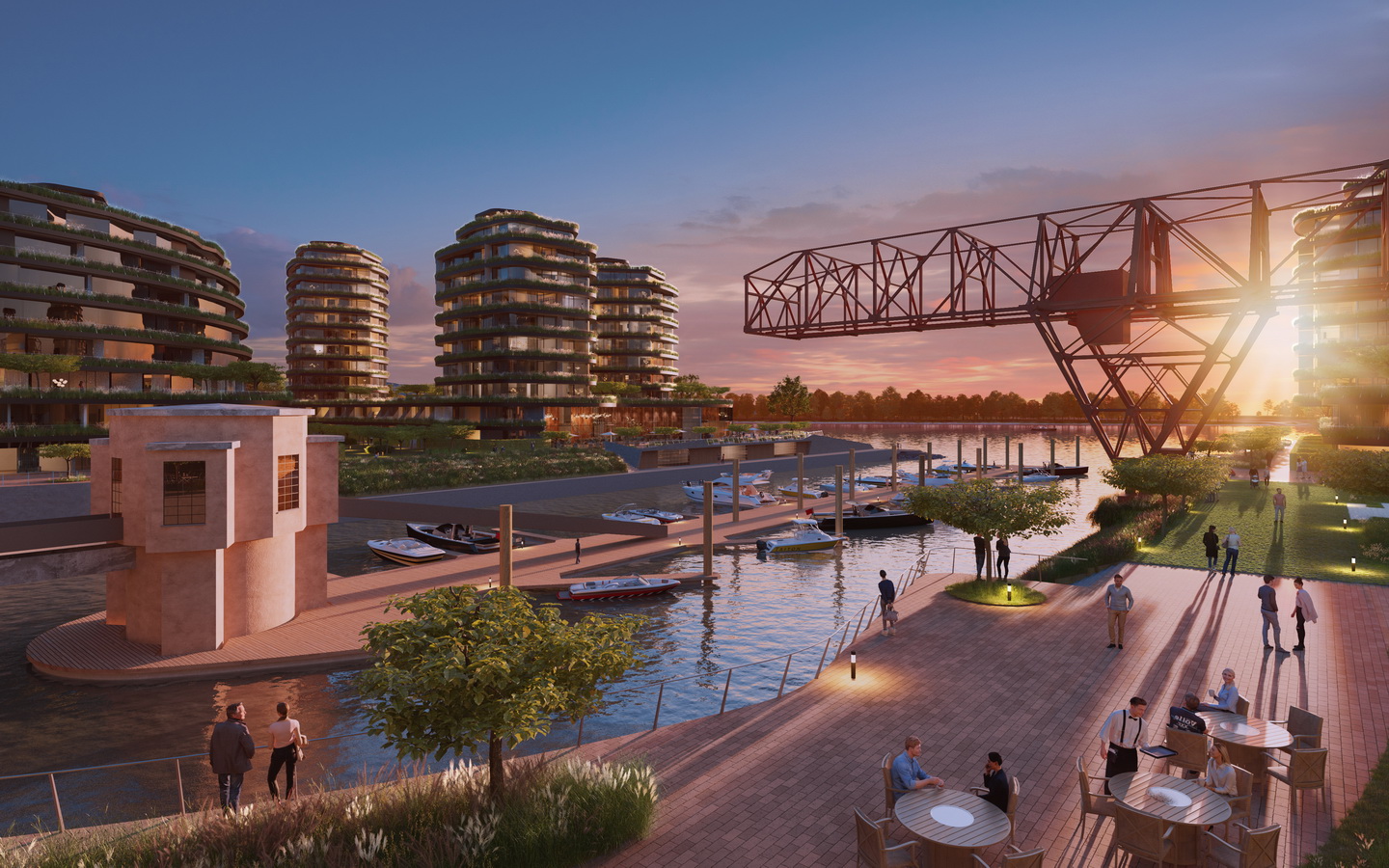
Marina Dorćol - citizens asked questions, but there was no one to answer
Yesterday, in the premises of the Urban Planning Institute, a meeting was held with a group of citizens of Dorćol in the heart, in or...
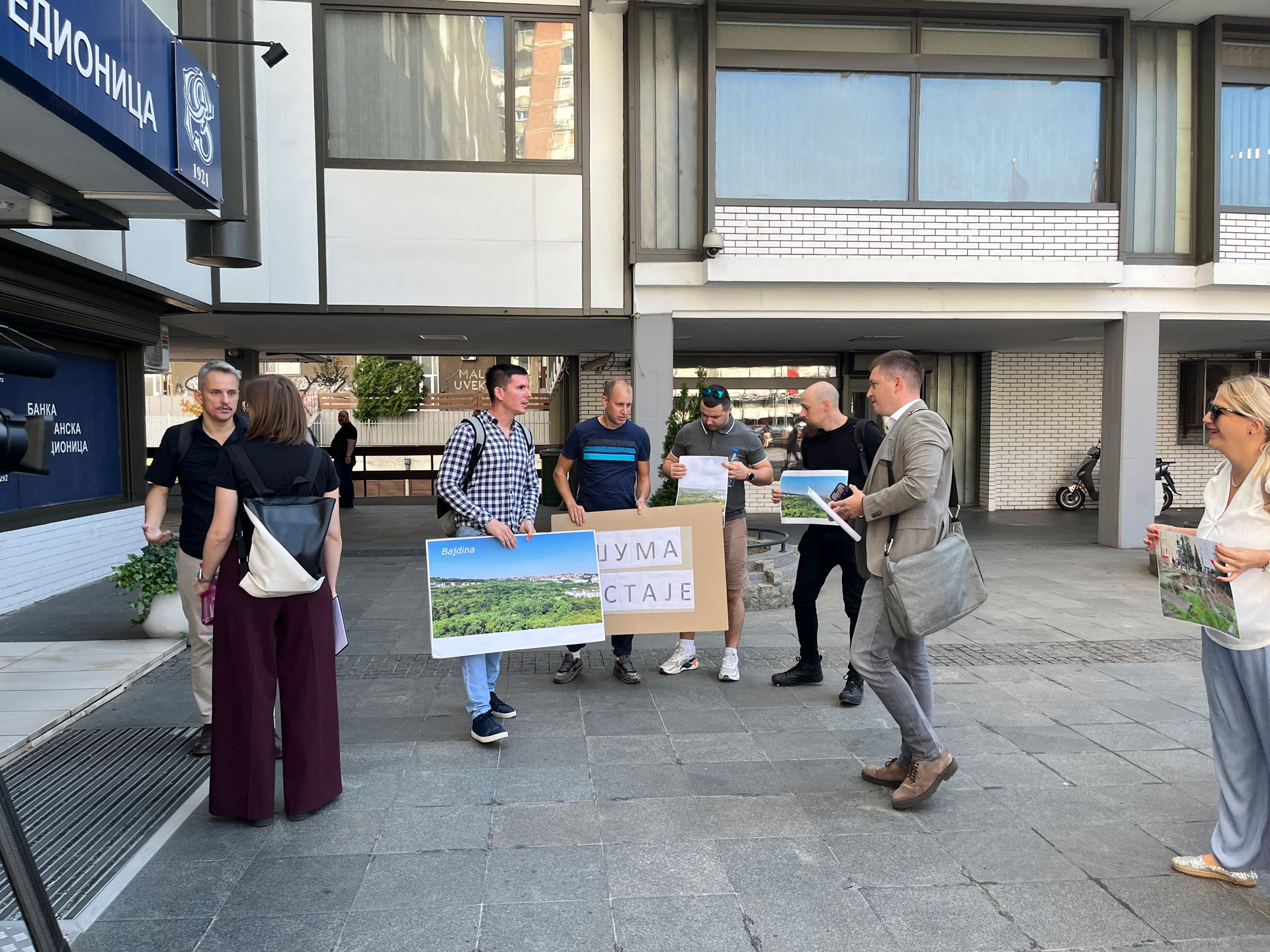
"Whose side are you on?" is the wrong question
Yesterday, the third continuation of the same public session of the Planning Commission on the detailed regulation plan was held...
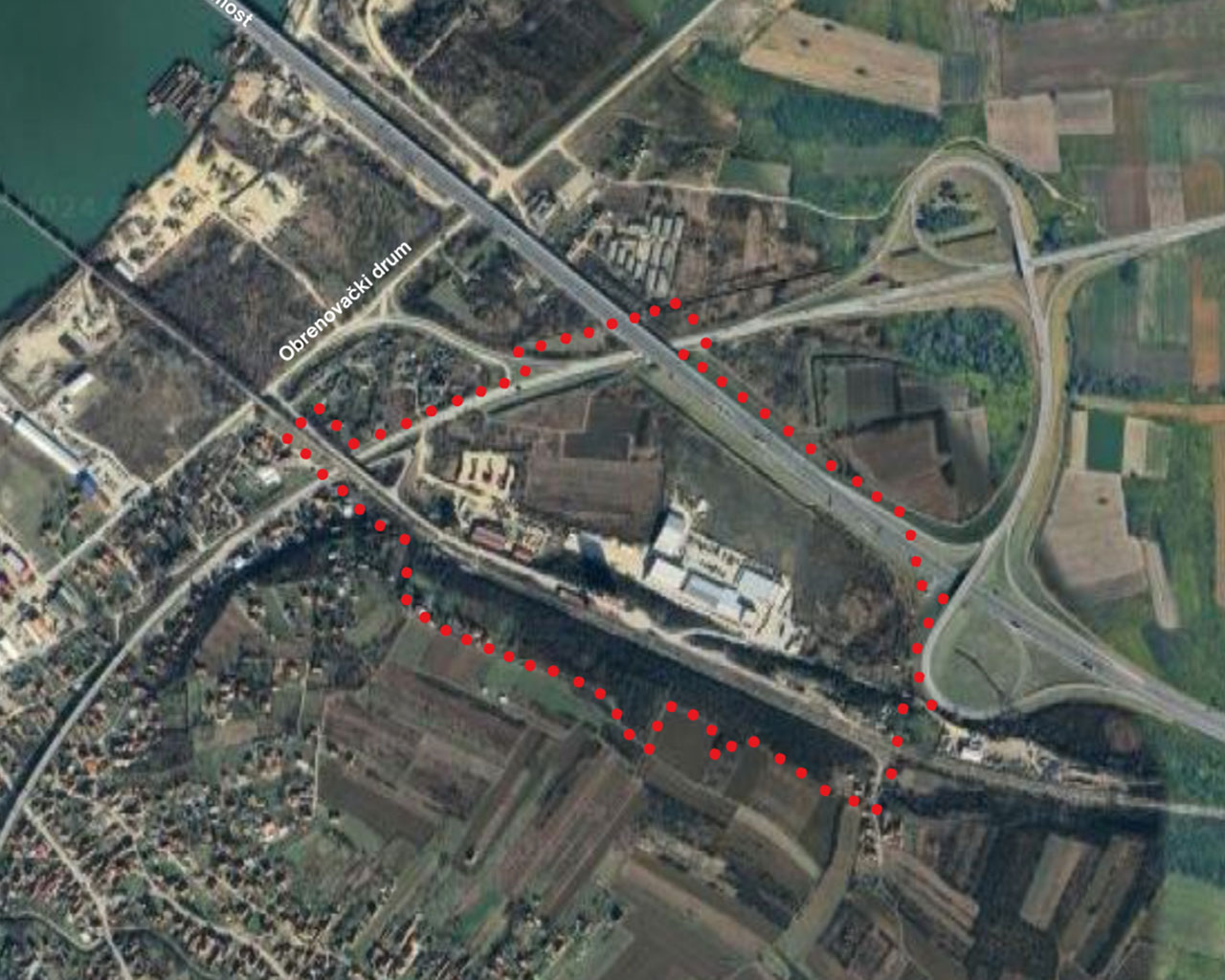
Plan along the Ostružnica railway line in the water source area
The plan for the detailed regulation of the area between the ring road around Belgrade, Obrenovački puta and the ring road...
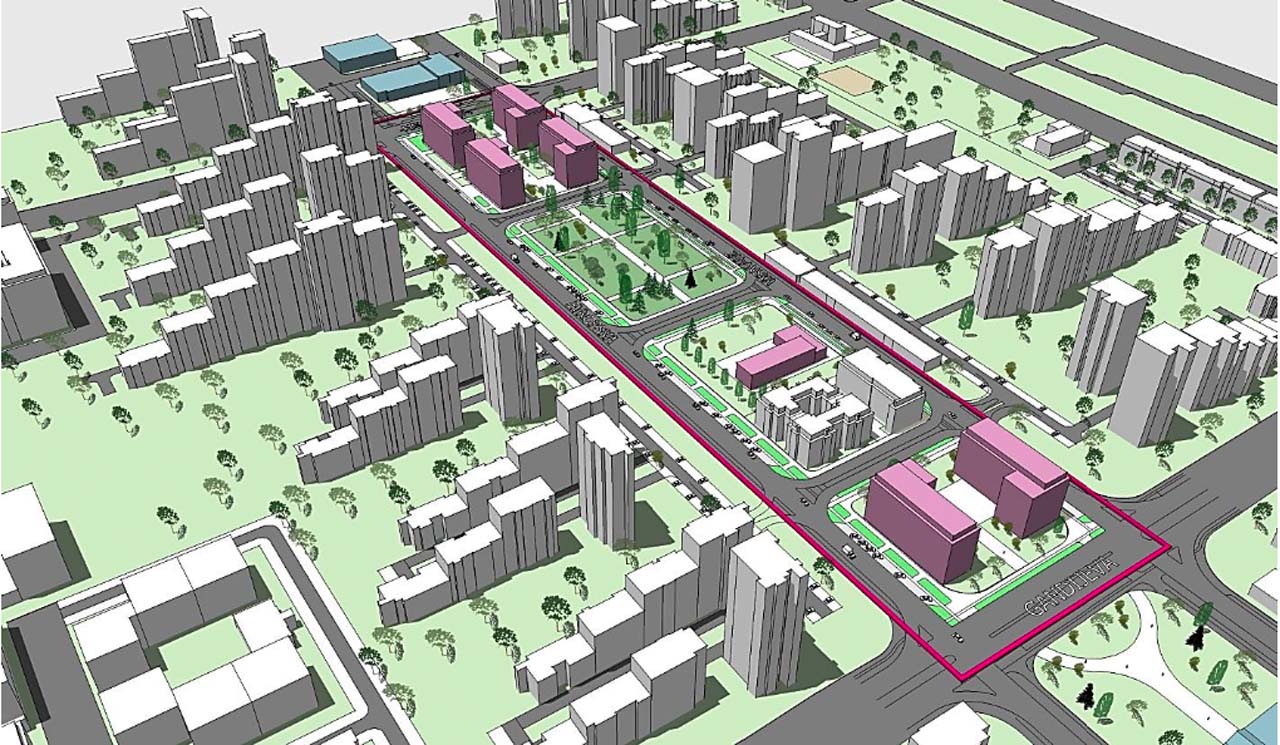
The Blok initiative is ours in defense of New Belgrade greenery
In February 2024, the temporary authority of the city of Belgrade made a decision on the development of a detailed plan...
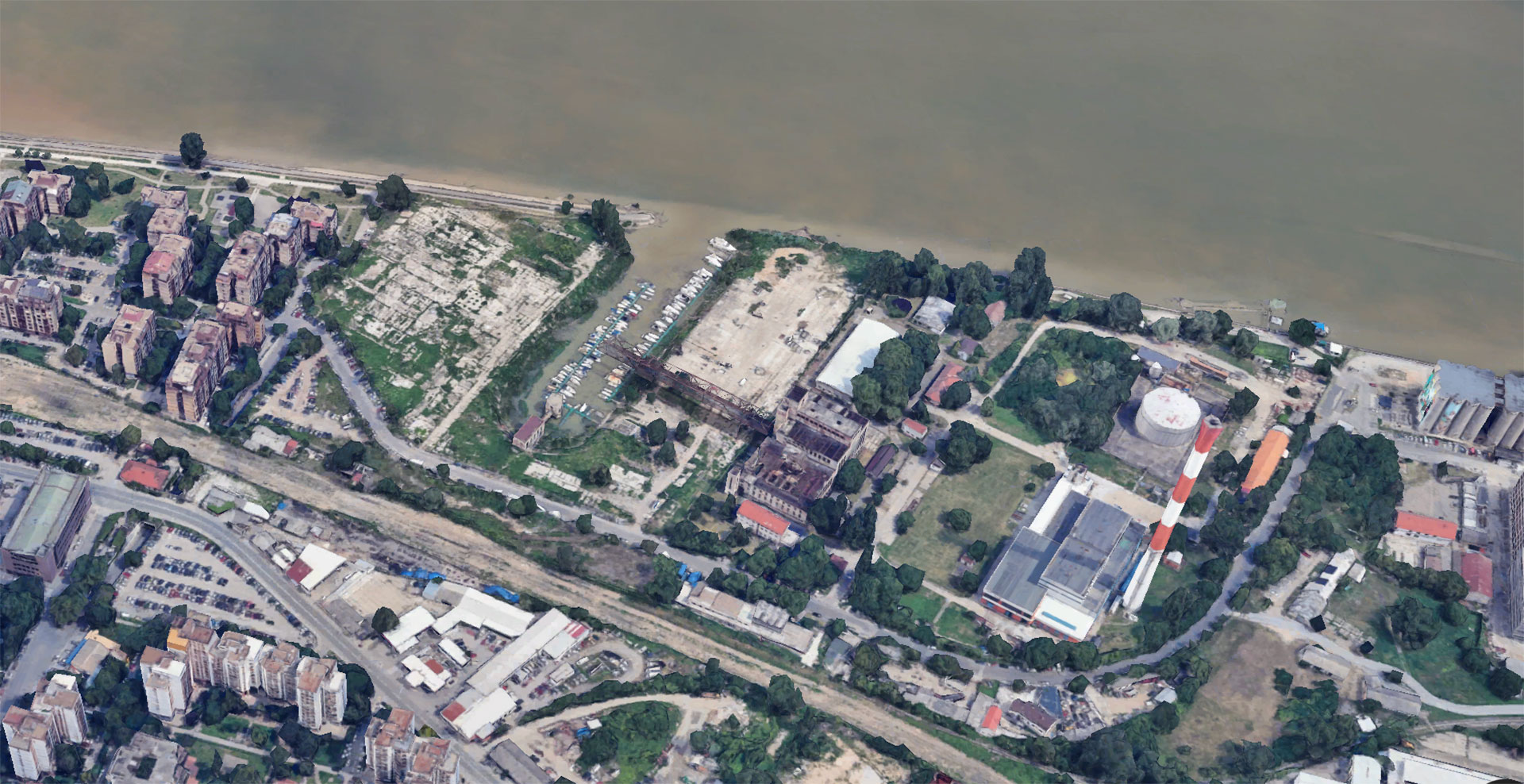
Citizens demand changes to the Marina Dorćol project due to the impact on the environment
At the end of September 2021, the Detailed Regulation Plan for Linijski Park Belgrade was adopted, a project that...
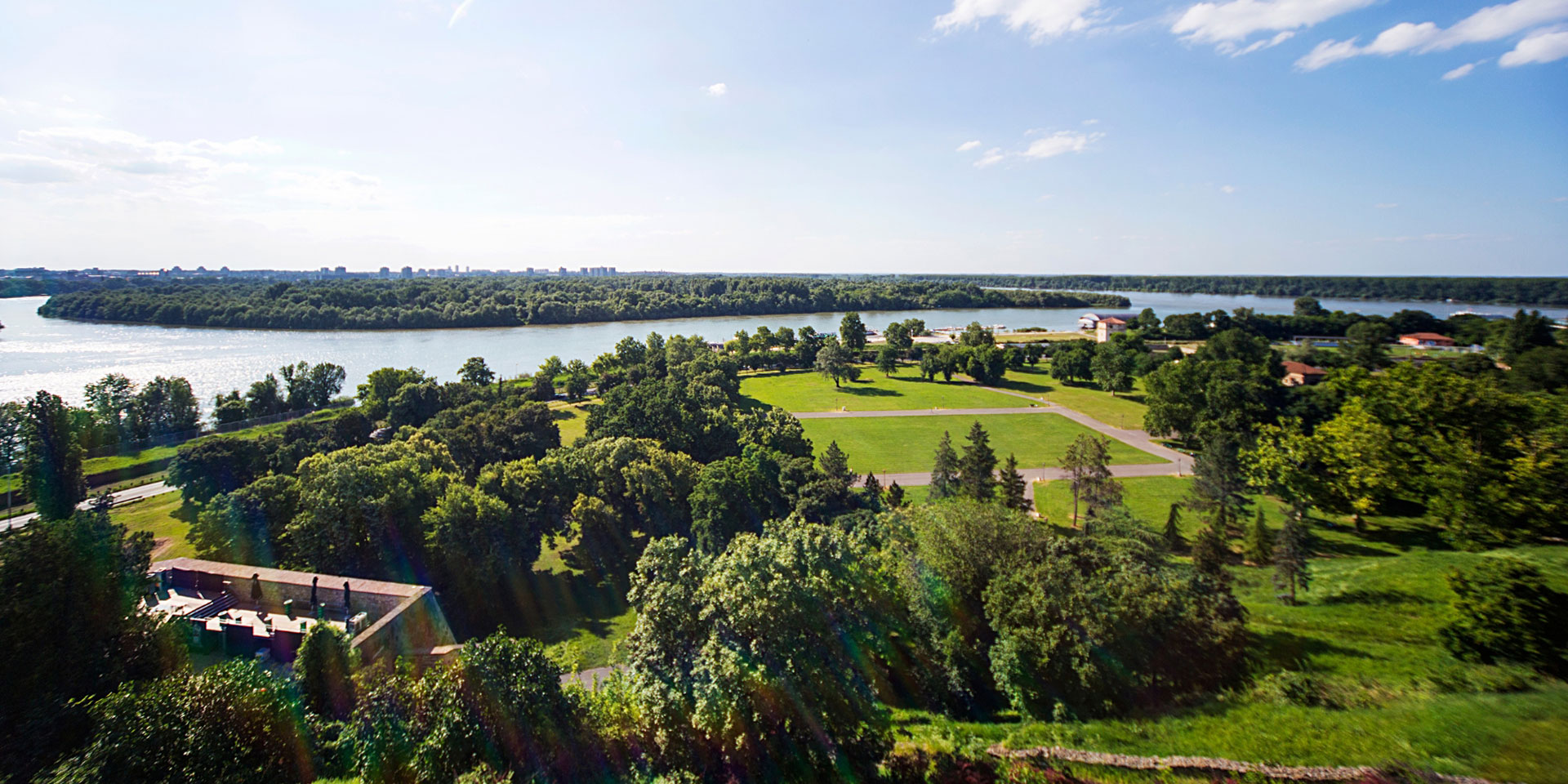
More than 10% of greenery disappeared in Belgrade in 20 years
Green infrastructure is key to living in the city, both health-wise and functionally, in terms of protection...
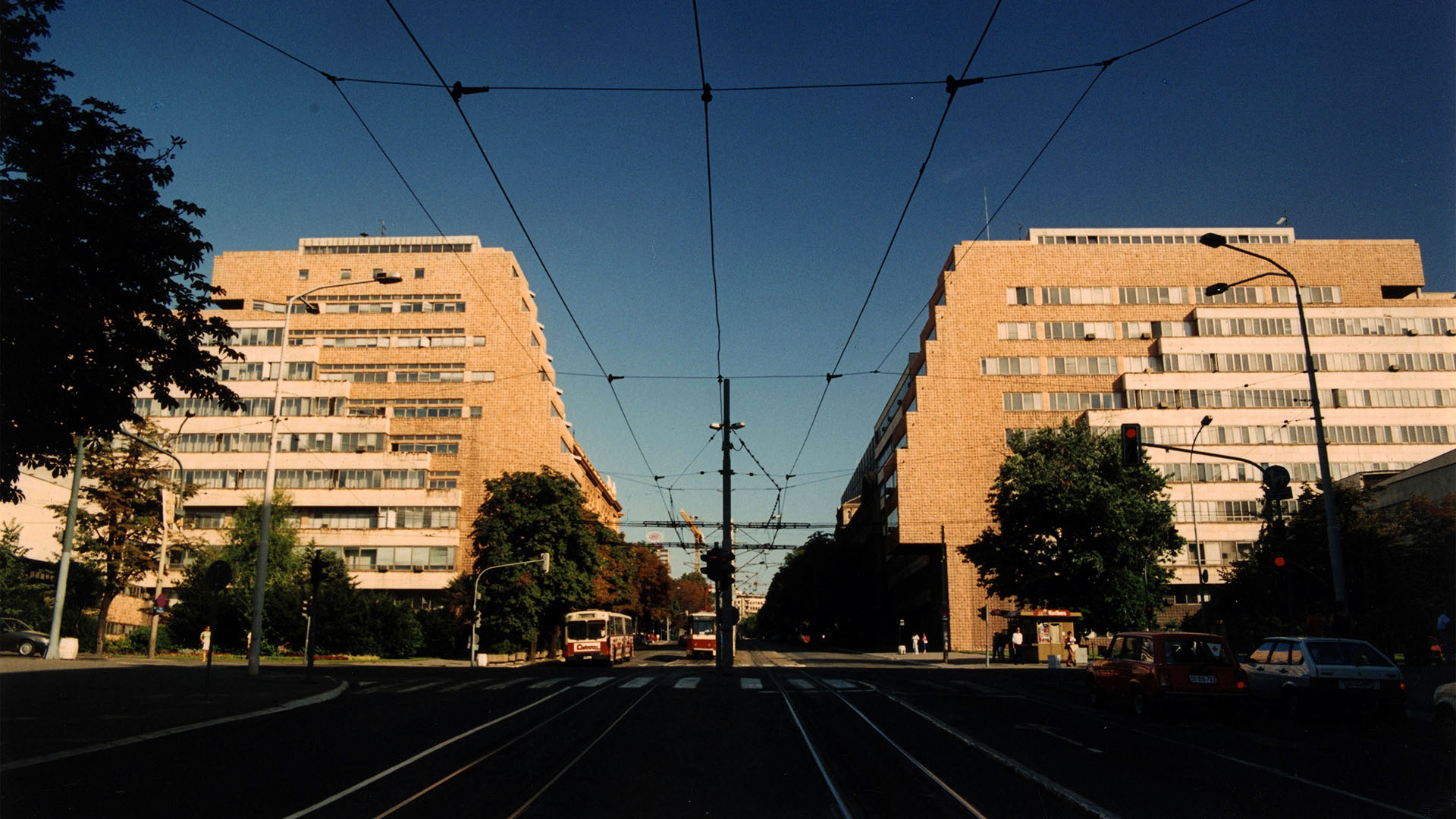
Declaration on the fate of the Belgrade Fair and the General Staff - Press release
Based on the acclamation expressed opinions of the Forum - more than 350 architects and engineers of various professions...
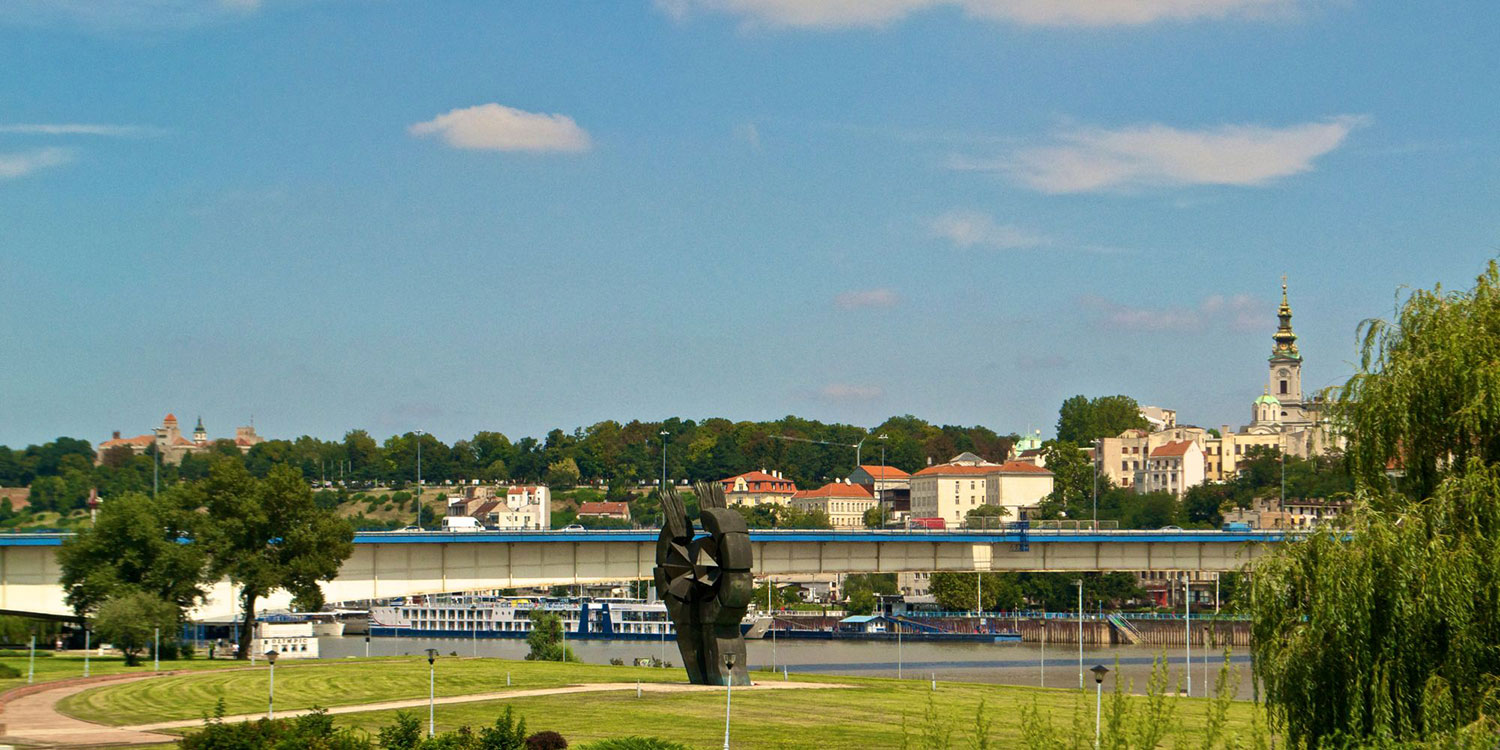
Remarks on the plan for Hotel Yugoslavia - public inspection
In the period from 15.04. until 20.05.2024. you can send comments on the plan for Hotel Yugoslavia, which is in the same...
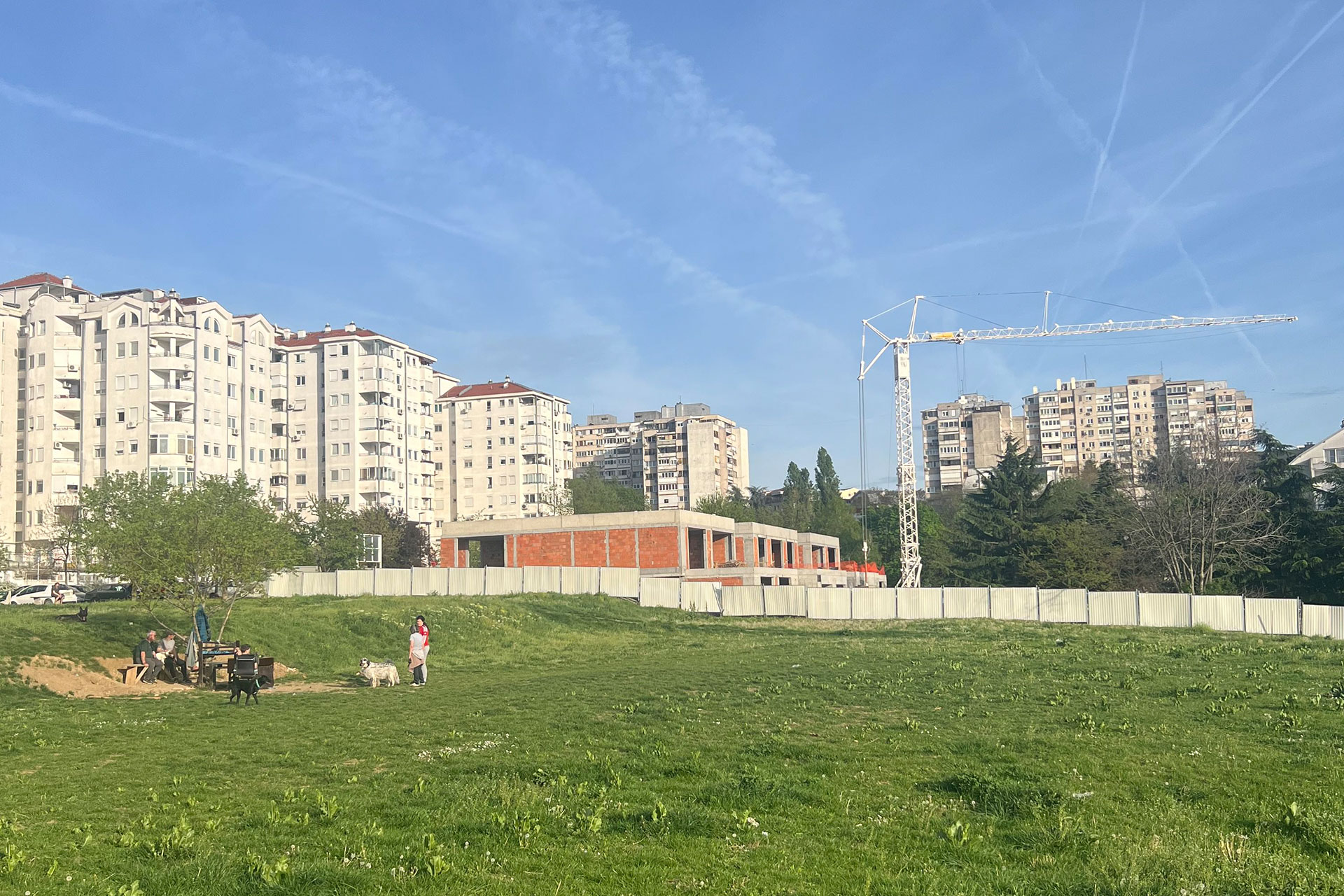
In the current plans, greenery only in traces
Currently, there are two plans for detailed regulation on early public inspection, which in their…

What is planned for Avala and Kosmaj?
On the notice board of the City appeared a plan that includes the entire area of Avala and Kosmaj, so...

The forest cannot be converted into commercial facilities - PDR for Zmaj
Draft of amendments and additions to the PDR for the area of the economic zone "motorway" in New Belgrade...

The disappearing city and the emerging city
When we look back at the year 2023, it is clear to us that Belgrade is permanently changing...

A small guide to reading plans
The general division of documents from the field of spatial and urban planning recognizes: planning to...

Where's the plan?
You've probably noticed that you can't publish and announce urban plans and projects just like that...

GUP tailored to a man - but who?
A comprehensive social consensus on common goals and directions of spatial planning of a ...
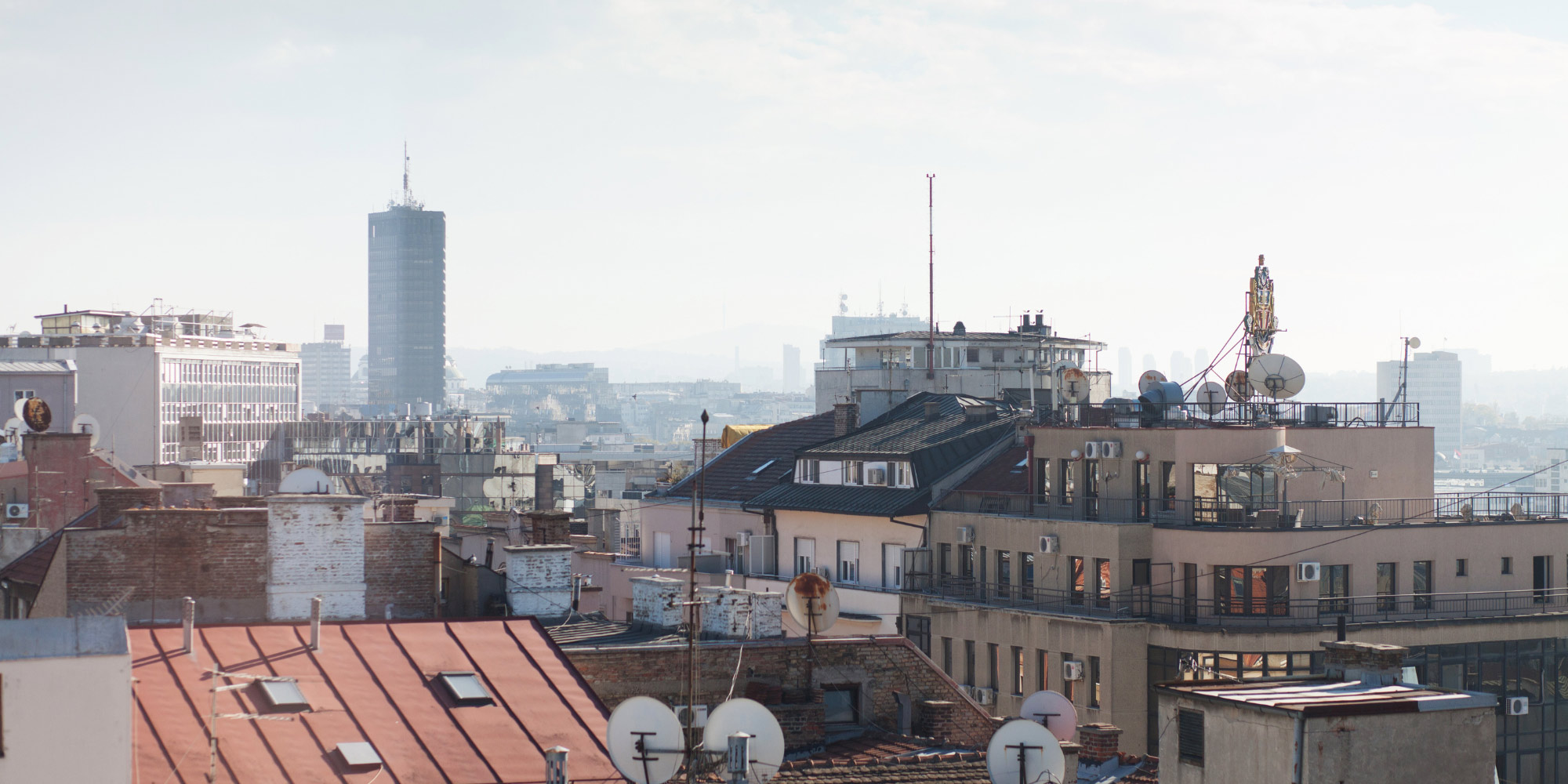
BELGRADE 2041
We are in a very specific moment - the preparation of the Belgrade General Urban Plan is underway...

GUP Belgrade 2041 remarks
An early public inspection of the General Urban Plan of Belgrade until 2041 is underway. Three years after...

Return the changes to the PGR of Belgrade to the beginning
Due to a large number of irregularities accompanying the drafting of the Draft Amendments to the Plan of General Regulations...

In a year of uncertainty, one thing was certain - Belgrade was building and planning!
Looking back at the year 2021 leaves the impression of a civil struggle on all fronts - from continuous preb...

Pandemic ≠ excuse
The city of Belgrade is grossly violating civil rights in its efforts to enact harmful and...
Who needs public property?
Is selling the best way to use and preserve public spaces? Belgrade...