
There is no news in Jabučka rit - how spatial inequalities and residential segregation are produced
Jabučki rit is a settlement in Palilula municipality, twenty kilometers from the center of Belgrade.
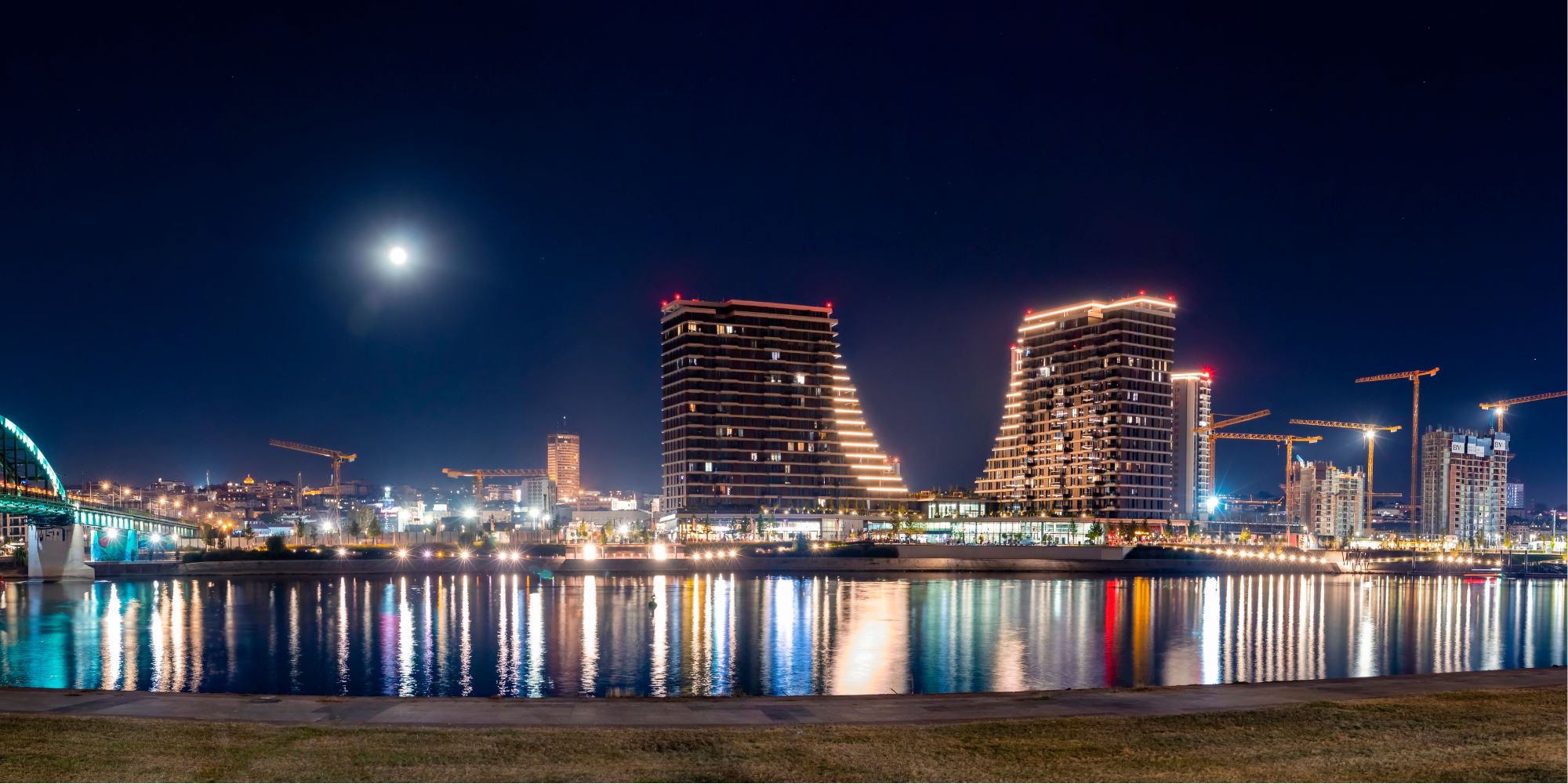
On the other side of the Danube is the settlement of Novi Dorćol, in the municipality of Stari grad, in the central area of Belgrade.
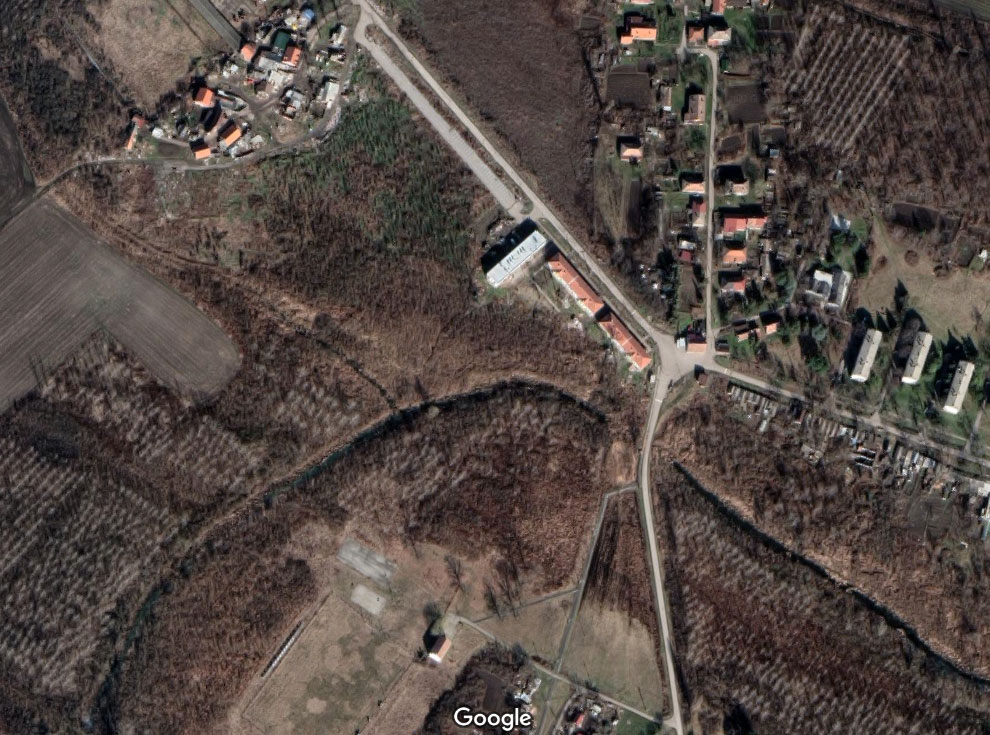

In 2015, it was completed and moved into Jabučki rit 42 residential units within the program social housing.
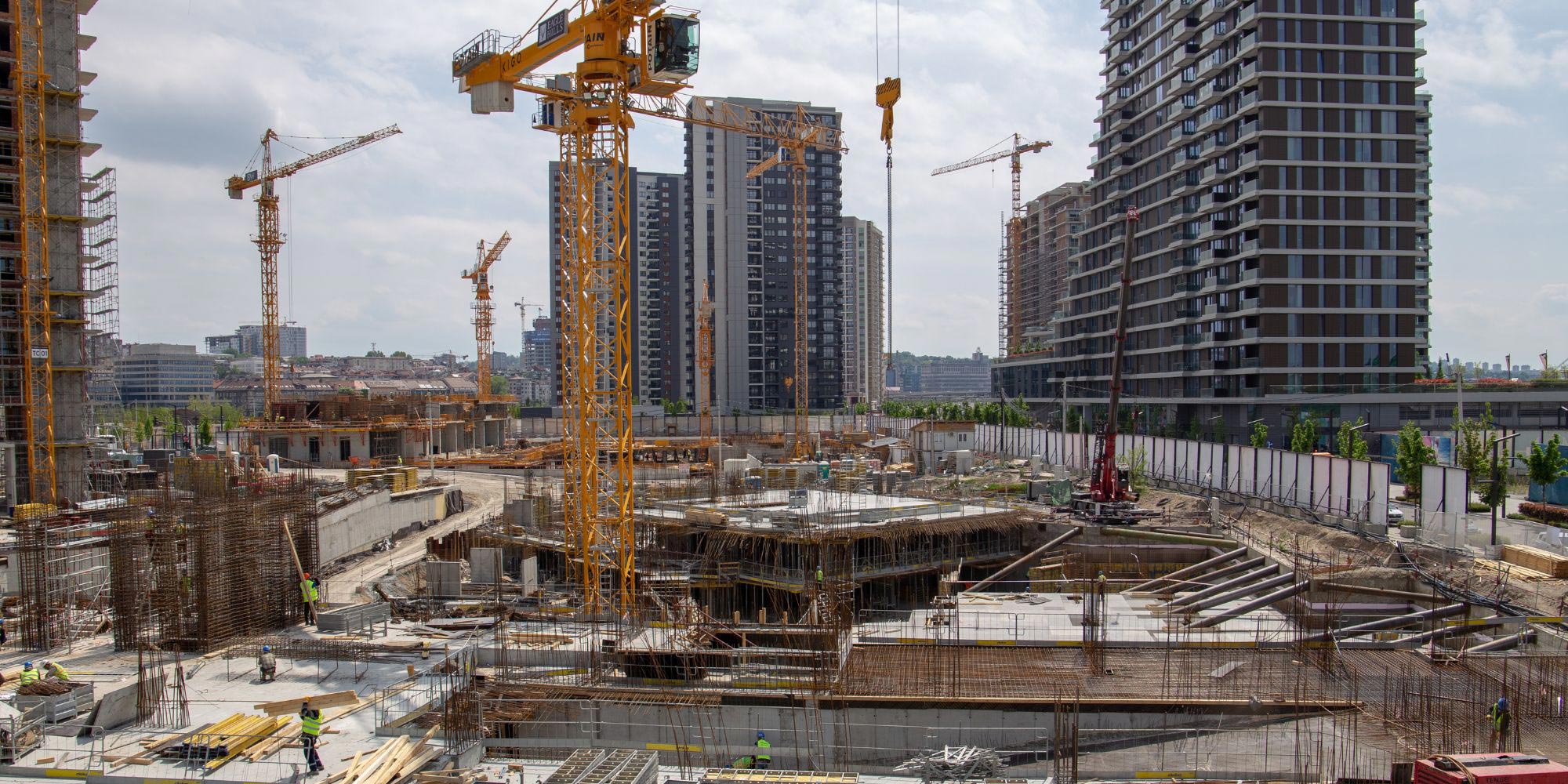
It is being built for sale in Novi Dorćol 572 residential units, with the completed first phase being sold at average price per square meter of 3.355 euros.
In Jabučki rit, you can get sick on weekdays only until 10:30. After that, the local clinic is closed, so you have to go to the first health center in Padinska skela. It can be reached by car 25 minutes, on foot for 2 and a half hours or by bus to 57 minutes. A week can reach the nearest elementary school in at least 65 minutes on foot.
Residents of Novi Dorćol can get sick whenever they want. The first clinic in Venizelosova is 450m away from them. Their first health center is in Simina street, 15 minutes away on foot or 6 minutes by car. There are seven elementary schools within a 15-minute walking distance. Bus 37 stops in front of the building, and there are bus stops just over 500 meters away 16, 32E, 23, 24, 26, 27E, 35, 43, 44, 58, 79 and 95, as well as trams 2, 5 and 10.
Tako the effects look spatial inequalities i residential segregation.
In the last ten years, several settlements for social housing have been built on the territory of Belgrade, among others in Mislođin, Orlovski naselje and Jabučki rit. In each of these three projects, the own investments of the City Administration of the City of Belgrade were the assignment and furnishing of construction land in public ownership. Although we do not have publicly available data on which plots are publicly owned in the territory of Belgrade, we know that at the time of construction of these settlements there were other locations that were better connected to public services and the rest of the city. For example, the plot of land in Block 63 in New Belgrade, which was sold in 2017 in order to build a combination of commercial and residential facilities on it the famous "Five". However, the City of Belgrade still decided to cede plots for this purpose on the outskirts of the city, where public land is less lucrative. This sends a clear message that it is not every location for housing and location for socially housing.
In addition, in such isolated settlements, whose residents already have unfairly difficult access to other public services, as a rule, homogeneous groups of marginalized and economically vulnerable households are grouped together. So, for example, 42 Roma families were settled in Jabučki rit, 32 in Mislođin and 36 in Orlovski naselje.
Well, that's right grade i maintained spatial inequalities and residential segregation.
Does it have to be?
The general plan of Belgrade from 2003, valid at the time of the construction of Jabučki rit, in the segment "Social and affordable housing" states:
This GP [general plan] plans to provide two types of sites for social housing needs. One type of location for the construction of social apartments is within housing groups that are larger than 250 apartments, in which 5 to 8% of apartments should be provided for these needs. [...] Another type of organization of social housing is in separate locations. [...] The list of 58 locations for social housing, which is given in the documentation of this GP, should and can be supplemented and changed. (although the same text is copied in the GUP of Belgrade from 2016, the specific locations are lost).
The first approach to the realization of social housing is presented here the so-called principle mixed communities, housing in mixed ownership, and more widely inclusive zoning produces a more even distribution of apartments for different groups of the population, thus better housing positions compared to other public services and for those families who cannot independently afford an apartment on the market, of which there are over 80% according to the data of the Ministry of Construction, Transport and infrastructure, published in 2017.
The principle of mixed communities housing in mixed ownership it is listed in the urban plan of the highest order, which strategically establishes the direction of Belgrade's development. Although the lower level plans (general regulation plan and detailed regulation plan) must be harmonized with the higher level (Article 33 of the Law on Planning and Construction), in the building rules for larger residential complexes with more than 250 units, the obligation to 5-8 % of units opted for affordable housing. In addition, and more importantly, this strategic principle did not lead to the establishment of an institutional infrastructure and regulation that would operationalize it in such a way that the equal treatment of all tenants in such settlements is really consistently applied (which was not always the case in the attempt to apply this principle in other countries). If so, Novi Dorćol would have at least 28 affordable apartments for various economically disadvantaged groups from young people to socially disadvantaged households. And where is the K-district, A block, Belgrade on the water, ...
I tata ćemo sad?
The draft of the Spatial Plan of the Republic of Serbia from 2021 specifically mentions as one of the planning solutions for appropriate and sustainable housing "the operationalization of the concept of socially mixed housing (with apartments for the market and housing support), which aims to encourage the social integration of sensitive and marginalized social groups, i.e. . preventing segregation caused by concentrated poverty”.
But it must not stop there! In a situation in which the number of those who need some form of housing support has rapidly increased, it is time for land management policies, housing policies and urban planning to be resolutely and consistently aimed at reducing residential segregation and spatial inequalities, through the establishment of additional institutional capacities, which through additional development of the regulatory framework. And then let that 5-8% increase to 10, 15 or 20%.
Jovana Timotijević and Danilo Ćurčić
RELATED TEXTS

Objection to changes in the PGR: let's stop the privatization of Belgrade!
Public inspection of this plan lasts until February 24, 2026. which is also the last day to submit objections. The remark must be...

Urban review of the year - it seems that someone is in a hurry
Someone is in such a hurry that there is no time for public discussions, there are no limits for plans, and the rules apply...

Comment on the draft amendments and additions to the general regulation plan (GRP) of the city of Belgrade
With this remark, we point to a deeply problematic and systemically harmful provision proposed in the framework of...

Amendments to the general regulation plan (GPR) - when urban planning becomes an instrument of space privatization
Amendments to the General Regulation Plan (GRP) of Belgrade represent another step in the long-term...
Digital sessions are the last nail in the coffin of citizens' participation in city planning
The new amendments to the Rulebook enable public sessions to take place electronically - just when they are most...
Comment on the expansion plan of Belgrade on the water
This letter does not seek to improve the plan in question in a technical sense, but points to its political...
A handbook for avoiding participation: the case of EXPO
This is how the attempt of the Agency for Spatial Planning and Urbanism of the Republic of Serbia to...

Why don't we abolish planning?
Do you remember the first episode of South Park season 15 where Kyle, agreeing to the terms of service without reading…
Objections to the EXPO plan - rejecting the plan is the only acceptable solution
PPPPN National Stadium 15th phase, which includes...
There is no going back, only forward - the only thing standing in the way is the public interest (EXPO 2027)
Having lived for 30 years in the neoliberal development of the city, we should have already gotten used to the constant deregulation...
A year marked by urban greed
Another year is behind us in which, unfortunately, the lives and health of citizens were collateral damage...
Sign for green
When we remember our childhood, we first remember the fun and games through which we learned about ourselves, about the community and...
The Ministry of Spatial Collective received the second award at the Urbanism Salon
The Ministry of Space collective today won the second prize in the publication category at this...
How is greenery treated in the plans that were previewed during the summer?
We're all finally breathing a sigh of relief because the worst of the summer heat is behind us—and we know, it's not the prettiest #tbt. Still…
How many heat waves can we survive? It depends on the greenery we will have.
The two heat waves that we have experienced this summer, we can safely say, are the most intense in recent years...
There are only traces of greenery in the plans, and increasingly hot summers await us
The practice of publishing early and public insights into urban plans during the summer, during extreme heat and...
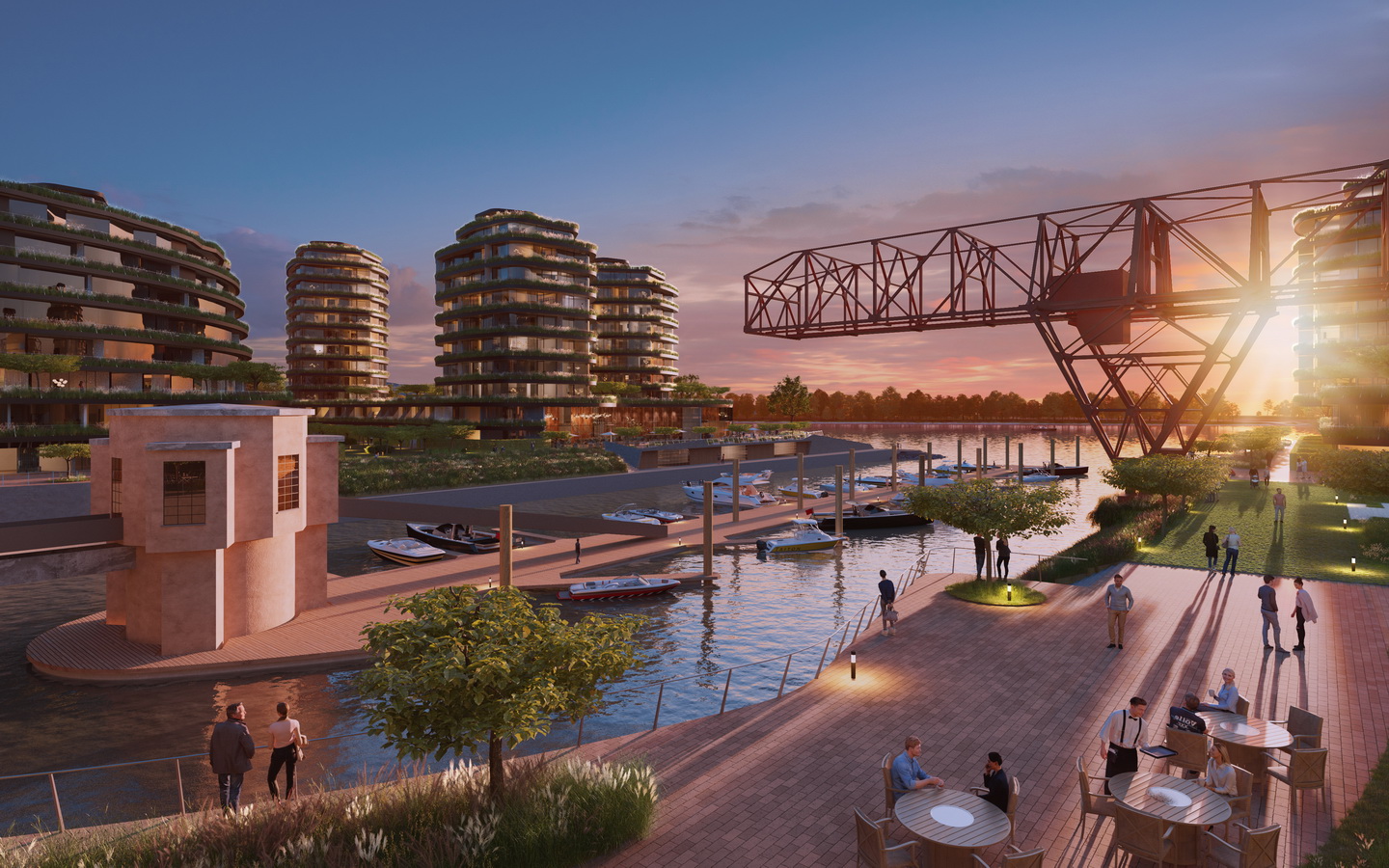
Marina Dorćol - citizens asked questions, but there was no one to answer
Yesterday, in the premises of the Urban Planning Institute, a meeting was held with a group of citizens of Dorćol in the heart, in or...
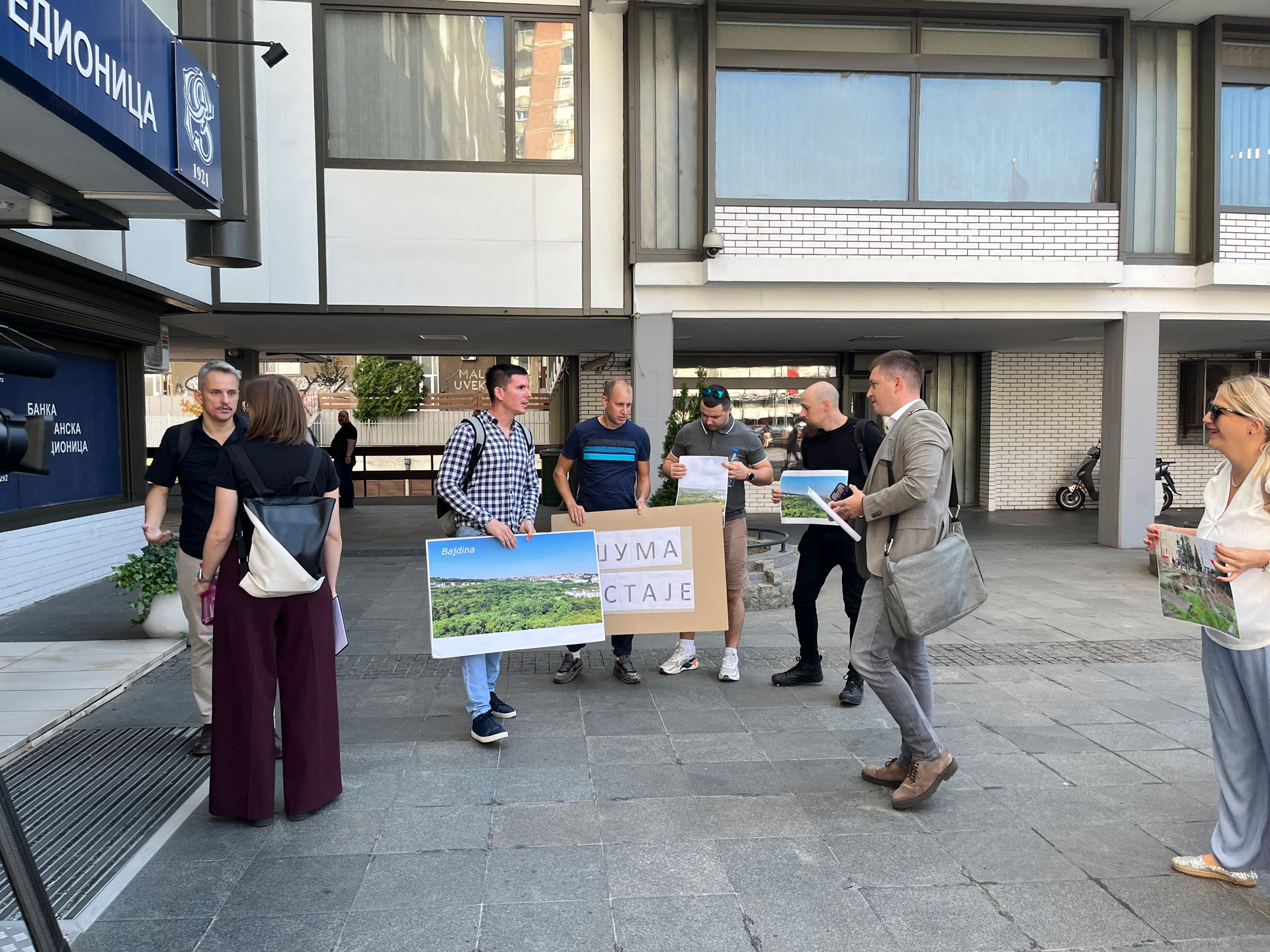
"Whose side are you on?" is the wrong question
Yesterday, the third continuation of the same public session of the Planning Commission on the detailed regulation plan was held...
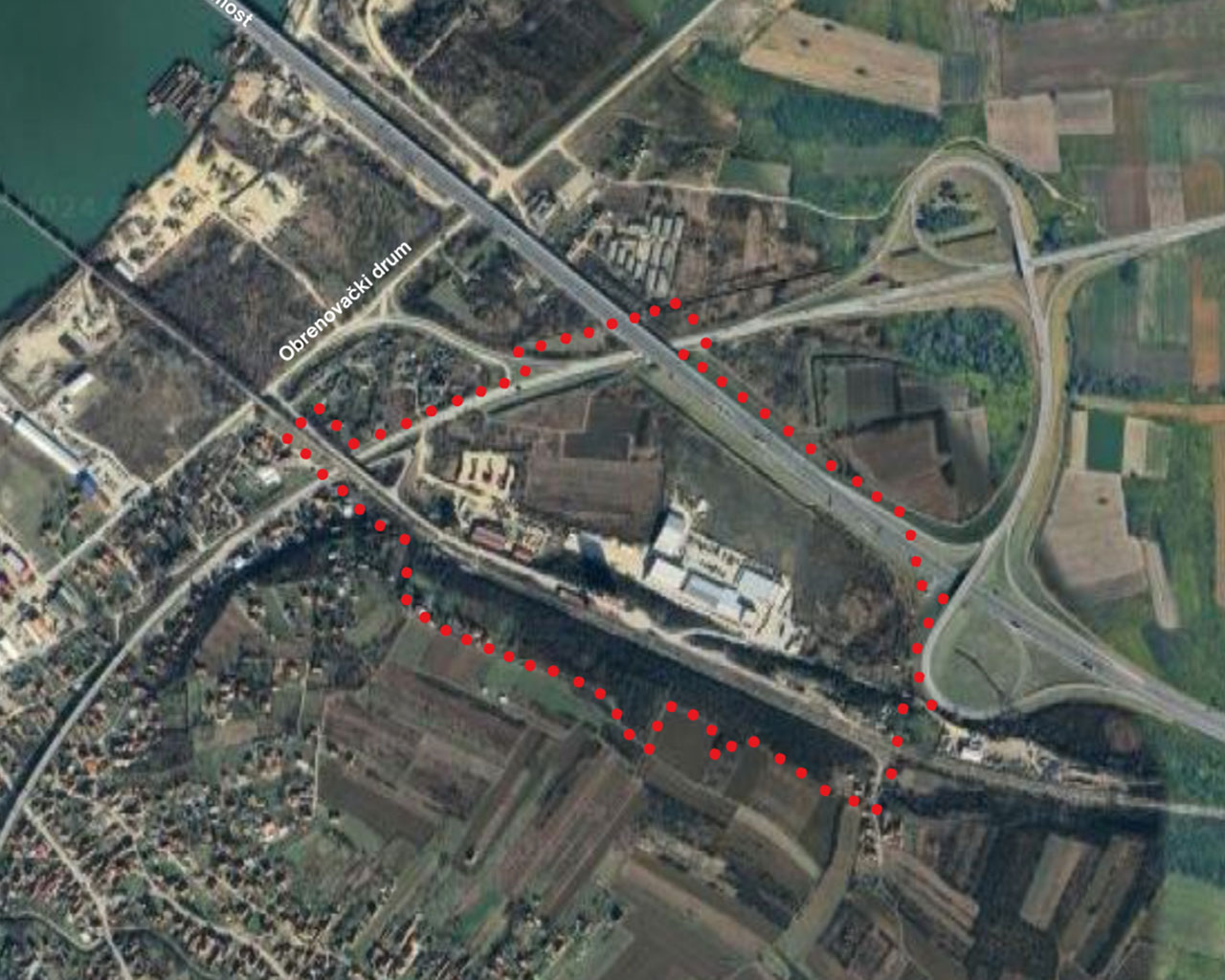
Plan along the Ostružnica railway line in the water source area
The plan for the detailed regulation of the area between the ring road around Belgrade, Obrenovački puta and the ring road...
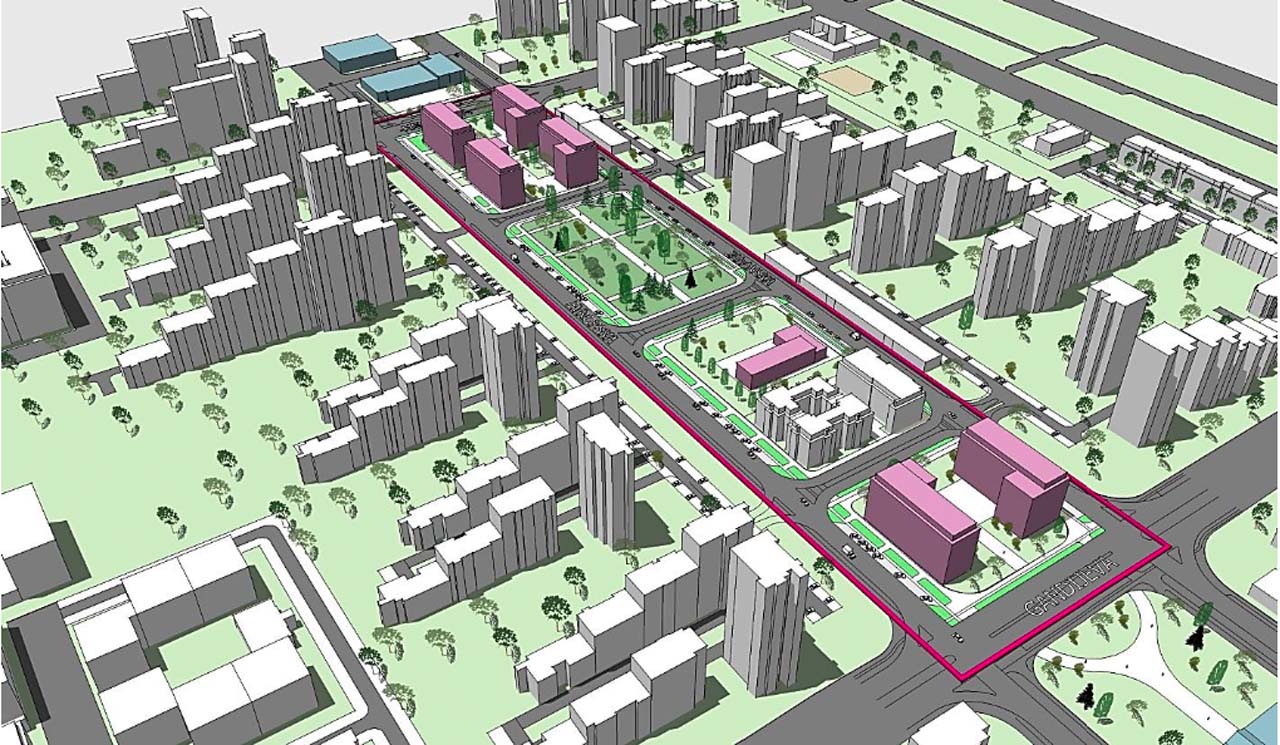
The Blok initiative is ours in defense of New Belgrade greenery
In February 2024, the temporary authority of the city of Belgrade made a decision on the development of a detailed plan...
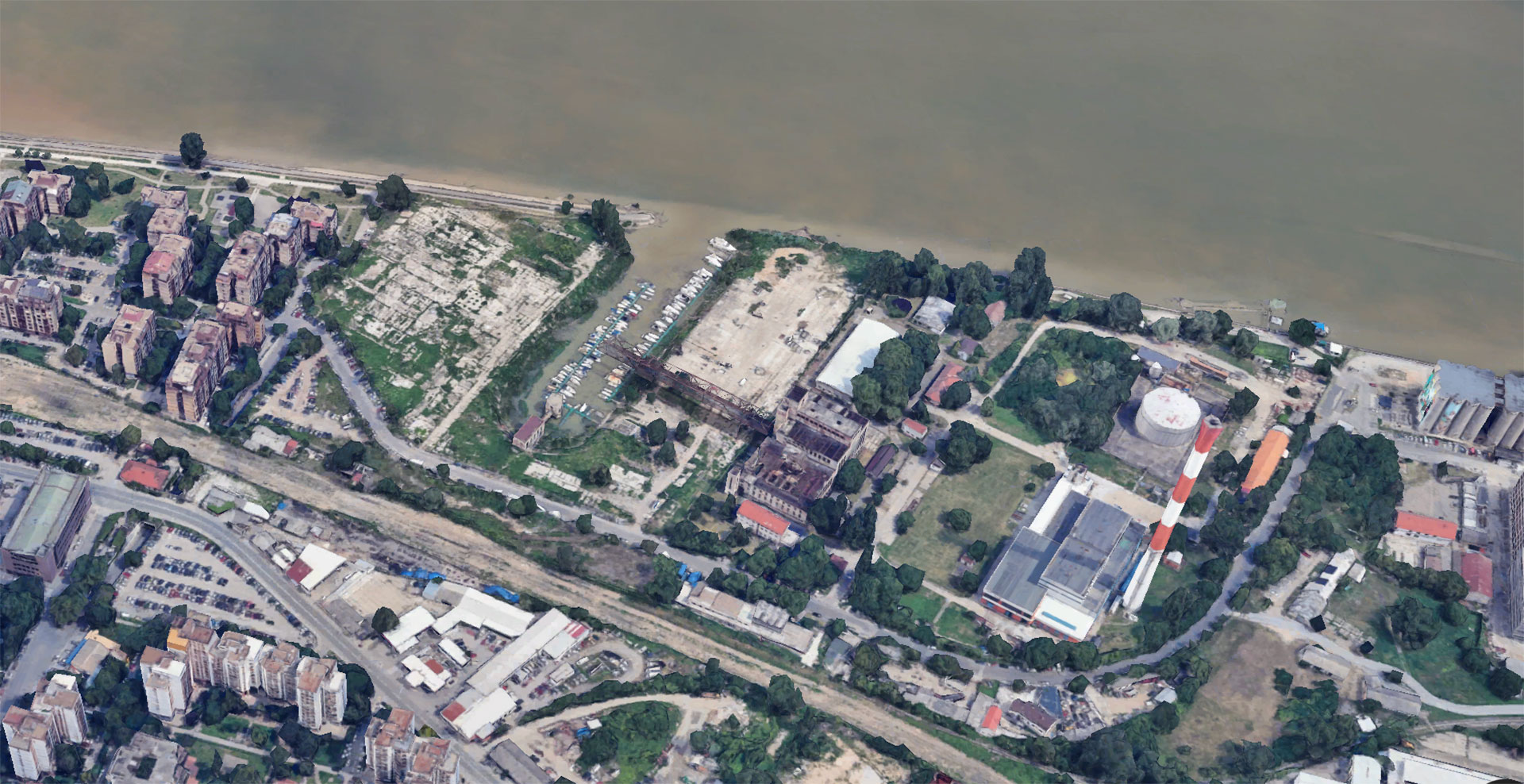
Citizens demand changes to the Marina Dorćol project due to the impact on the environment
At the end of September 2021, the Detailed Regulation Plan for Linijski Park Belgrade was adopted, a project that...
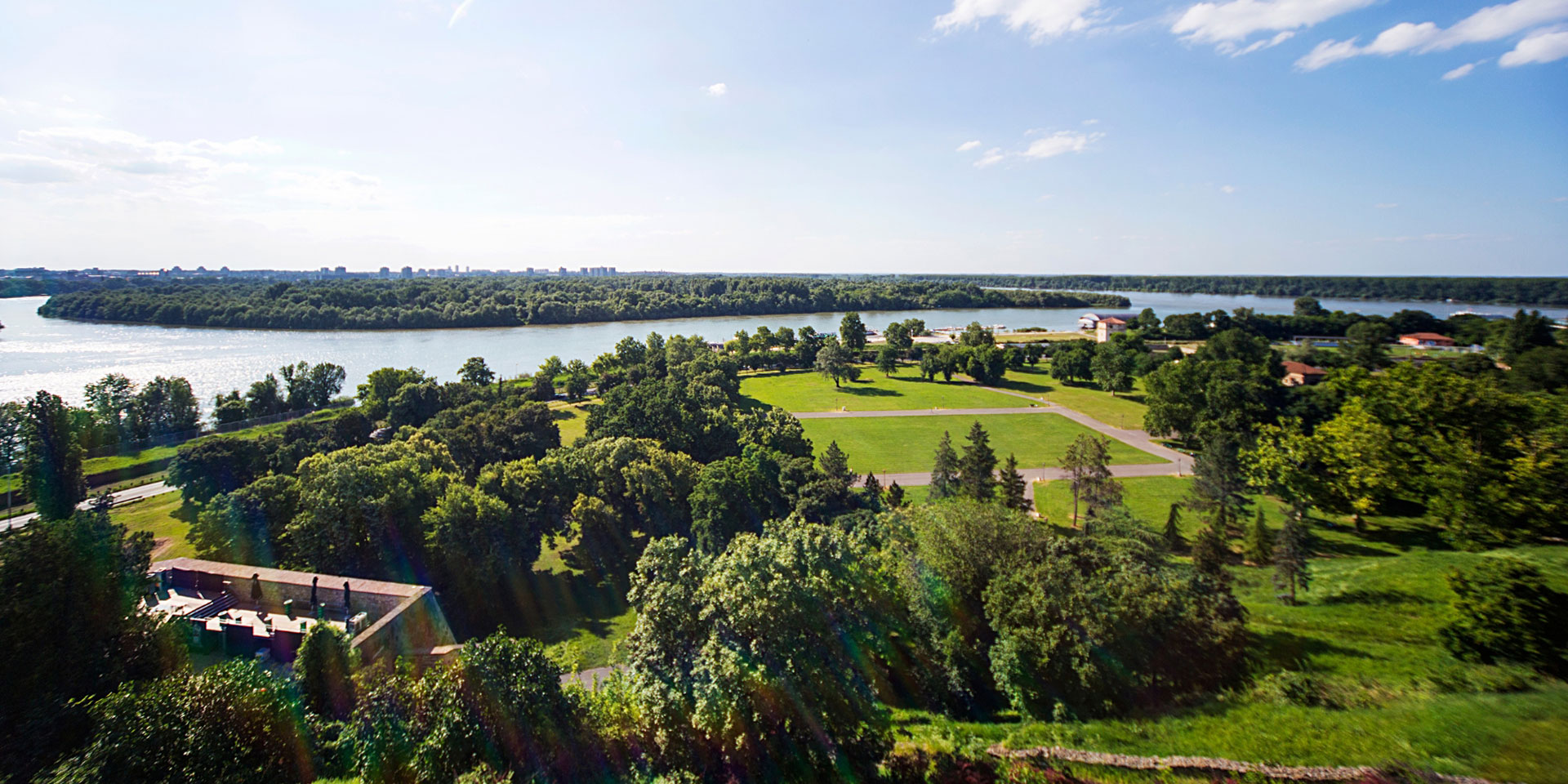
More than 10% of greenery disappeared in Belgrade in 20 years
Green infrastructure is key to living in the city, both health-wise and functionally, in terms of protection...
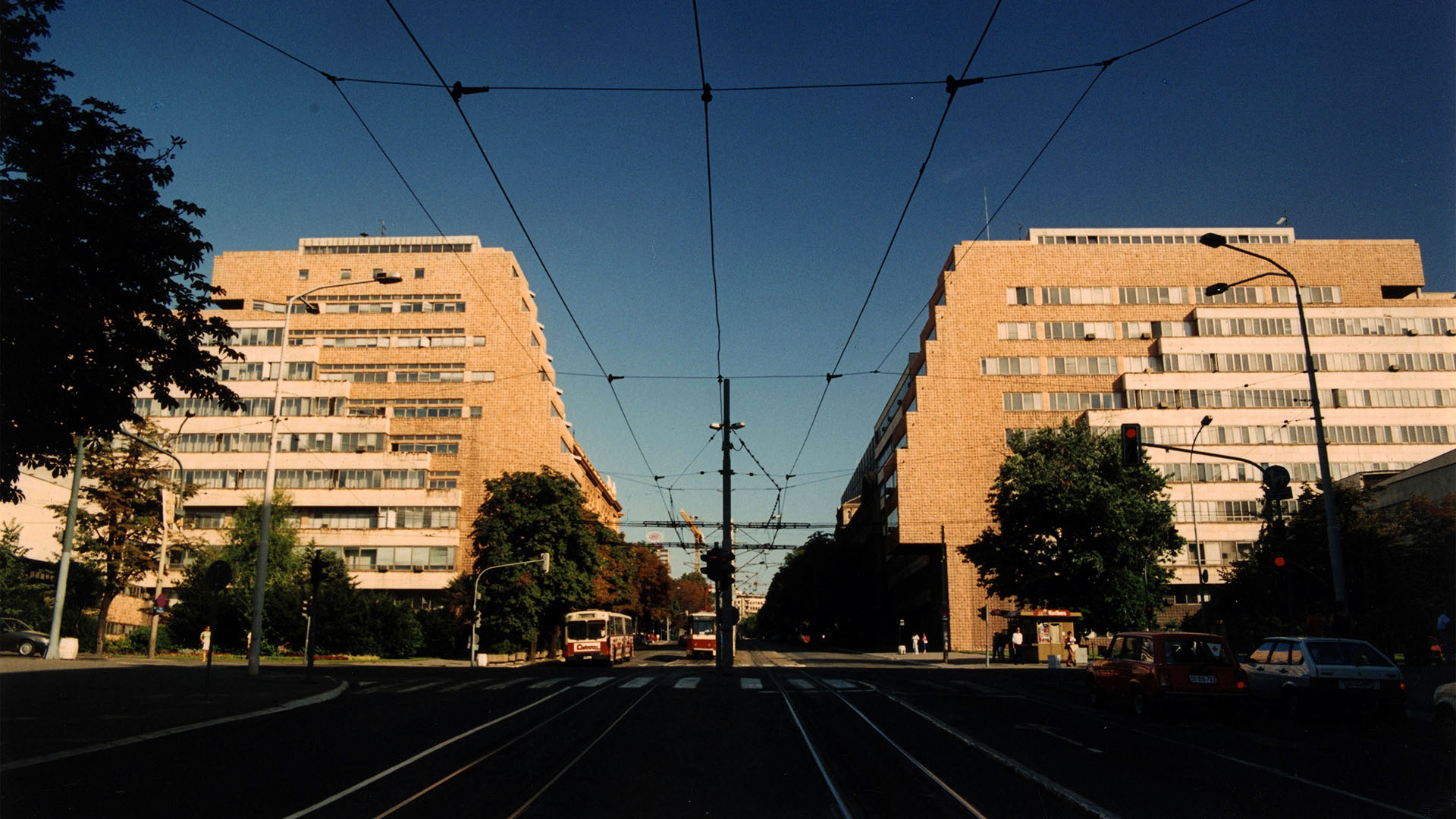
Declaration on the fate of the Belgrade Fair and the General Staff - Press release
Based on the acclamation expressed opinions of the Forum - more than 350 architects and engineers of various professions...
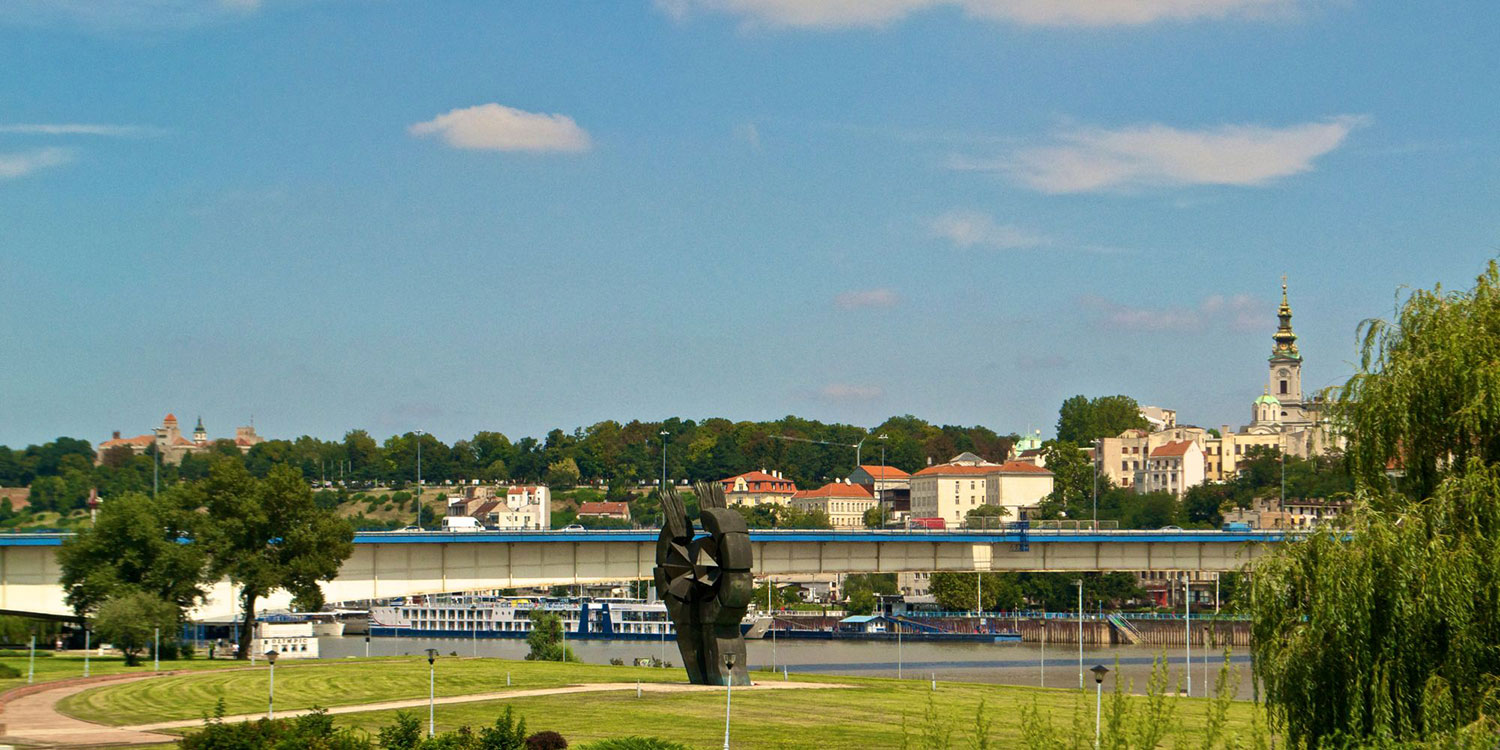
Remarks on the plan for Hotel Yugoslavia - public inspection
In the period from 15.04. until 20.05.2024. you can send comments on the plan for Hotel Yugoslavia, which is in the same...
In the current plans, greenery only in traces
Currently, there are two plans for detailed regulation on early public inspection, which in their…

What is planned for Avala and Kosmaj?
On the notice board of the City appeared a plan that includes the entire area of Avala and Kosmaj, so...

The forest cannot be converted into commercial facilities - PDR for Zmaj
Draft of amendments and additions to the PDR for the area of the economic zone "motorway" in New Belgrade...

The disappearing city and the emerging city
When we look back at the year 2023, it is clear to us that Belgrade is permanently changing...

A small guide to reading plans
The general division of documents from the field of spatial and urban planning recognizes: planning to...

Land is a limited resource
Land is a limited resource on which there are forests, fields and seas, on land we build our homes...

Where's the plan?
You've probably noticed that you can't publish and announce urban plans and projects just like that...

GUP tailored to a man - but who?
A comprehensive social consensus on common goals and directions of spatial planning of a ...
BELGRADE 2041
We are in a very specific moment - the preparation of the Belgrade General Urban Plan is underway...

GUP Belgrade 2041 remarks
An early public inspection of the General Urban Plan of Belgrade until 2041 is underway. Three years after...

Return the changes to the PGR of Belgrade to the beginning
Due to a large number of irregularities accompanying the drafting of the Draft Amendments to the Plan of General Regulations...

In a year of uncertainty, one thing was certain - Belgrade was building and planning!
Looking back at the year 2021 leaves the impression of a civil struggle on all fronts - from continuous preb...

Pandemic ≠ excuse
The city of Belgrade is grossly violating civil rights in its efforts to enact harmful and...
Who needs public property?
Is selling the best way to use and preserve public spaces? Belgrade...